 803-902-4583


Why Truck Maintenance Matters After a Lancaster Crash
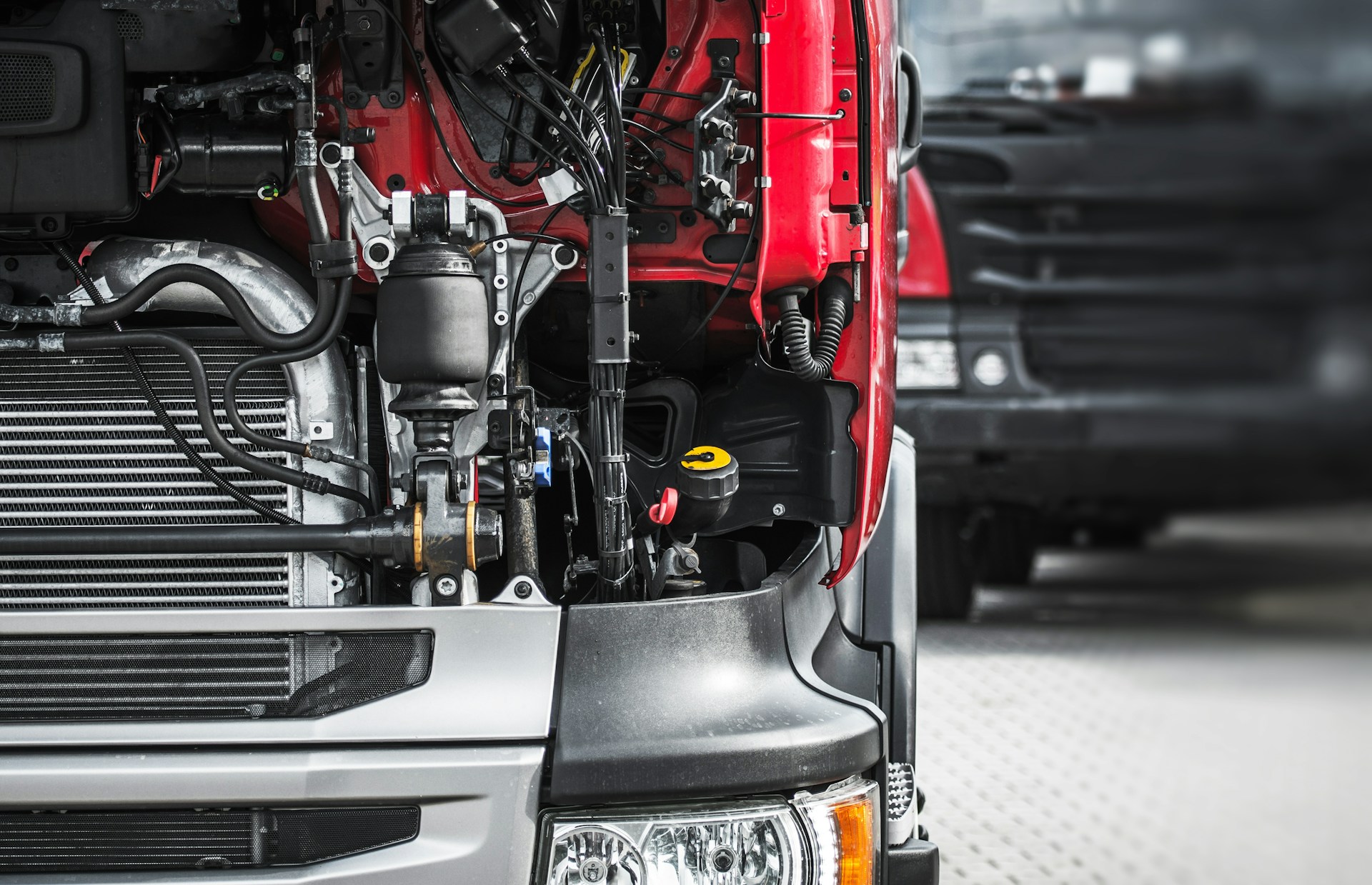
When a tractor-trailer collides with a smaller vehicle, people tend to focus on the dramatic moments just before impact, like speeding or sudden lane changes. What many injured drivers and passengers do not see is the long trail of maintenance decisions that may have set that crash in motion weeks or months earlier. How a truck is inspected, repaired, and recorded can be just as important as what happened at the intersection or on the highway.
Commercial trucks are supposed to be inspected regularly, kept in safe working order, and backed by accurate maintenance records. When brakes, tires, lights, or steering systems are neglected, a minor road hazard can quickly turn into a devastating collision. As a personal injury law firm that handles truck wrecks near Lancaster and other South Carolina communities, we know that spotting maintenance failures early in the process can significantly strengthen an injury claim and help victims pursue the compensation they need.
Common Maintenance Failures That Lead to Truck Accidents
Some trucking companies invest in safety, but others cut corners. When basic maintenance is ignored, the size and weight of a commercial truck turn those oversights into serious dangers.
Brakes and stopping distance
Brakes are one of the most important systems on any truck. When they are worn out, poorly adjusted, or overheating because they have not been serviced properly, stopping distance increases. On highways around Lancaster, that extra distance can be the difference between a close call and a violent impact.
Poor brake maintenance can lead to:
- Rear-end crashes when a truck cannot slow down in traffic
- Jackknife wrecks when trailer wheels lock or skid
- Multi-vehicle pileups when a loaded truck barrels into an already developing crash scene
Tires and load-related wear
Truck tires carry huge loads for long distances. If they are not inspected and replaced when needed, they become unsafe. Common problems include:
- Bald or uneven tread that reduces grip
- Underinflated tires that overheat and fail
- Overloaded trailers that stress even good tires
- Mismatched tires on the same axle that wear at different rates
Any of these issues can cause a blowout, and when a truck tire explodes at highway speed, the driver may lose control in an instant, leading to lane departures, rollovers, or collisions with nearby vehicles.
Lights, signals, and visibility
Many drivers have experienced the anxiety of following a truck at night and realizing its brake lights or trailer lights are not working properly. Faulty lights and reflectors are not just annoying, but they are dangerous.
Poor lighting and visibility can cause:
- Drivers behind the truck to misjudge braking or turning
- Other vehicles to miss a wide right turn or lane change
- Underride crashes when a car strikes the rear or side of a trailer it cannot clearly see
Keeping brake lights, turn signals, side markers, and reflective tape in good condition is a basic but vital part of truck maintenance.
Steering, suspension, and other critical systems
A truck that does not steer or handle correctly is a hazard to everyone nearby. When parts in the steering or suspension are loose, worn, or broken, or when coupling devices that connect the trailer to the tractor are not maintained, the result can be:
- Swaying or fishtailing trailers
- Unexplained lane drifting
- Sudden loss of control or trailer separation
These issues often leave warning signs that a careful inspection would catch. If they are ignored, fault can extend beyond the driver to the company or maintenance provider.
Who May Be Liable When Bad Maintenance Causes a Wreck
In a serious truck crash, responsibility often involves more than one party. Sorting out who is legally at fault is one of the key roles of a truck accident lawyer in Lancaster, SC.
The trucking company and its duties
Trucking companies are expected to:
- Set up regular inspection and maintenance schedules
- Take unsafe trucks off the road until repairs are complete
- Keep records of inspections, repairs, and part replacements
If a company pressures drivers to keep moving despite known defects, or fails to enforce safety policies, it may be held liable when those choices contribute to a crash.
Maintenance contractors and repair shops
Some carriers outsource maintenance to third-party shops or mobile repair services. These businesses can share responsibility if they:
- Skip recommended inspections or repairs
- Install incorrect or low-quality parts
- Ignore obvious signs of wear or safety problems
Service records, invoices, and internal communications may show what they saw, what they recommended, and how the trucking company responded.
Truck drivers and daily inspection duties
Drivers are the first line of defense against mechanical failures. They are supposed to perform pre-trip and post-trip inspections and report problems so they can be fixed. When a driver ignores:
- Dashboard warning lights
- Unusual noises, vibrations, or pulling to one side
- Visible defects like worn tires or leaking lines
that driver can also share fault for the crash.
Other potentially responsible parties
In some cases, a defective part such as a brake component or tire may fail even when it was installed properly and serviced on time. When that happens, a parts manufacturer or distributor may bear some legal responsibility. Because fault can be spread across several parties, working with a truck accident lawyer in Lancaster, SC, can be important to identify every source of compensation.
Proving Bad Maintenance in a Lancaster Truck Accident Claim
Pointing to failed brakes or a blown tire is not enough on its own. An injury claim needs clear evidence that maintenance problems existed and contributed to the wreck.
Key evidence from the truck and the company
Important records often include:
- Maintenance and inspection logs
- Repair orders and parts receipts
- Company safety manuals and training materials
Modern trucks may also have electronic data such as onboard computer information, telematics, or logging devices that show speed, braking, and mechanical warnings shortly before the crash.
Accident scene evidence and physical damage
The crash scene itself can reveal a lot about what failed and how. Useful evidence can include:
- Skid marks or the lack of them, which may show brake performance
- Debris fields and tire shreds that point to a blowout
- Damaged components that can be examined later
Prompt photos and videos, along with statements from witnesses, can help connect the condition of the truck to what happened on the road.
Expert analysis and accident reconstruction
In many truck cases, experts such as accident reconstructionists or mechanical engineers examine brakes, tires, lighting systems, and other components. They can explain:
- Whether parts show signs of long-term neglect
- If repairs were performed incorrectly
- How a particular failure contributed to the crash
A truck accident lawyer in Lancaster, SC may work with these experts to present the evidence in a way that is clear and persuasive for an insurance adjuster or a jury.
Time limits and preservation of proof
Trucking companies often keep records for only limited periods. Important data can be lost if no one requests it in time. Acting quickly allows a lawyer to send preservation letters that instruct the company to keep maintenance records, inspection reports, and electronic data so it is available later in the case.
How a Lancaster Truck Accident Lawyer Can Protect Your Claim
Handling insurance companies and defense tactics
Insurance companies that represent trucking businesses often argue that the wreck was unavoidable or that the injured driver is mostly to blame. They may downplay maintenance issues or suggest that nothing the company did would have changed the outcome. A lawyer can push back by tying together company records, expert opinions, and safety rules that were not followed.
Calculating the full value of your losses
Truck crashes are more likely to cause serious injuries than many other motor vehicle accidents. Victims may face:
- Emergency and ongoing medical care
- Lost wages or difficulty returning to work
- Long-term pain, disability, or reduced quality of life
A careful claim should consider both current bills and future needs, such as additional treatment, therapy, or reduced earning capacity.
Local experience and knowledge of South Carolina law
Working with a truck accident lawyer in Lancaster, SC means working with someone who understands local roads, common trucking routes, and the state laws that apply to negligence and comparative fault. South Carolina rules on how fault is divided between drivers and companies can directly affect how much compensation an injured person can recover.
What to do if you suspect poor maintenance
After a truck crash, safety and health come first. It is important to:
- Get medical care and follow all treatment recommendations
- Keep copies of medical records, bills, and time missed from work
- Save photos, videos, and any other information from the crash scene
- Be cautious about giving recorded statements to insurance companies without legal guidance
These steps can help protect your rights while the cause of the crash is investigated.
Taking the Next Step After a Lancaster Truck Crash
Poor maintenance can quietly turn a large commercial truck into a serious hazard long before it appears in your lane. Uncovering how a company handled inspections, repairs, and safety complaints often plays a central role in building a strong injury claim after a wreck.
People hurt in truck collisions do not have to investigate companies, analyze maintenance logs, or challenge insurance arguments on their own. With the support of an experienced legal team, they can focus on recovery while someone else handles the work of proving what went wrong and why they deserve fair compensation.
If you or a loved one is recovering from a collision with a commercial vehicle, our team at Schiller & Hamilton Law Firm is ready to step in and handle the legal burden for you. A dedicated truck accident lawyer in Lancaster, SC can investigate the crash, deal with insurers, and pursue the full compensation you may be owed. Reach out to us today to discuss what happened and get clear guidance on your next steps. You can also contact us to schedule a free consultation and speak directly with our team.