 803-902-4583


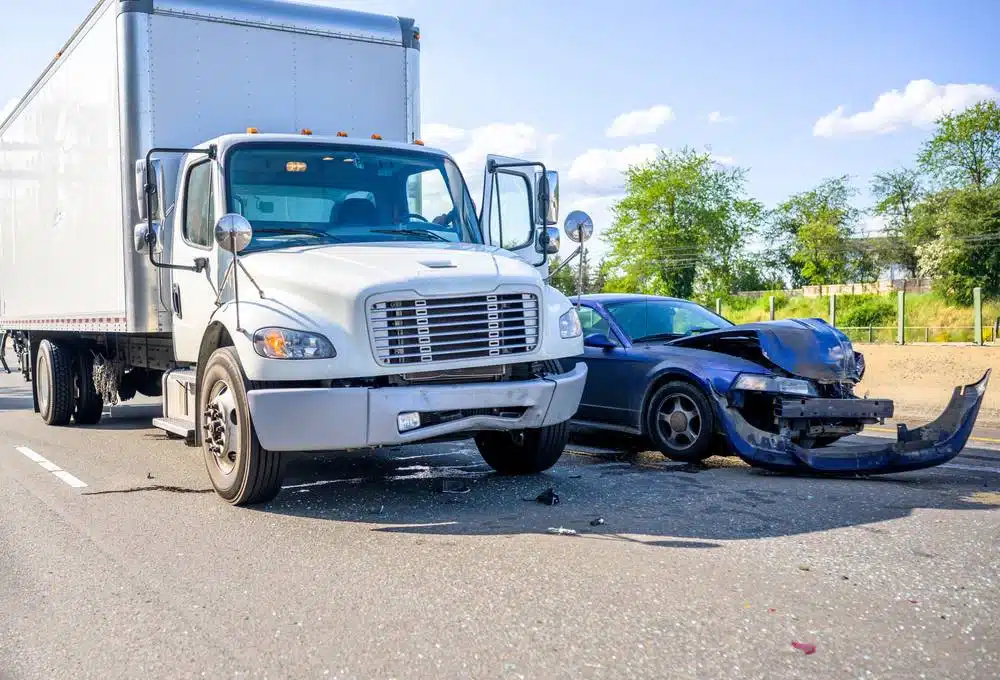
Car crashes are stressful enough when the other driver is another private motorist. When the vehicle that hits you belongs to a police department, county office, or school district, the situation can feel even more confusing. Different legal rules may apply, and what you do in the first days after the collision can affect your ability to recover compensation.
In this article, we explain what makes government vehicle crashes different, how South Carolina law treats these claims, and why it can help to work with a car accident attorney in Lancaster, SC, if you were hurt. Our goal is to give you a clear, practical overview so you can better protect your health, your finances, and your legal rights.
When a Government Vehicle Causes Your Lancaster Crash
When a government vehicle is involved in a wreck, the driver is usually working for a public agency, such as a city, county, or state department. That can include:
- Police cars and sheriff’s cruisers
- Fire trucks and ambulances
- County or city maintenance trucks
- School buses and other public buses
Claims involving these vehicles are not handled quite the same way as claims against ordinary drivers. Government entities have legal protections that limit when and how they can be sued, and there are special rules for notice, timing, and damages.
We know from working with injured people in communities like Lancaster and Rock Hill that these rules can surprise crash victims. Reaching out to a car accident attorney in Lancaster, SC as soon as possible can help keep valuable evidence from disappearing and keep you from missing an important deadline.
How Government Vehicle Crashes Differ From Other Wrecks
South Carolina has a legal concept called sovereign immunity. In simple terms, this means government bodies are generally protected from being sued unless the state has agreed to allow certain kinds of claims. South Carolina’s Tort Claims Act sets out when injury claims against public entities are allowed and also sets limits on those claims.
Potential government defendants can include:
- State agencies and departments
- Counties, such as Lancaster County
- Cities and towns
- School districts
- Public service providers that fall under a government unit
Even when a claim is allowed, the Tort Claims Act can affect the case in several ways:
- Damages may be capped at certain amounts, no matter how severe the injuries.
- There may be limits on punitive damages against government entities.
- There are specific procedures and time limits for giving notice of the claim.
These rules can change the overall strategy of a case. We often have to look carefully at how serious the injuries are, how many people were hurt, and whether more than one defendant might share responsibility.
Proving Fault When the Other Driver Works for the Government
In most government vehicle cases, the claim is really against the government employer, not just the individual driver. To hold the agency responsible, we usually need to show that:
- The driver was on duty or performing job-related tasks.
- The vehicle was owned, leased, or assigned by the agency.
- The driver’s negligence occurred within the scope of employment.
Government drivers still have to follow the rules of the road in most situations. Fault can be based on familiar traffic violations such as:
- Speeding or driving too fast for conditions
- Running red lights or stop signs
- Distracted driving, including phone use
- Unsafe lane changes or improper turns
- Failing to yield to other traffic or pedestrians
There are special rules for vehicles responding to emergencies, like police cars or fire trucks using lights and sirens. Even then, they must exercise reasonable care and may still be held responsible if they drive in a way that is unreasonably dangerous.
Because these cases involve public agencies, important evidence can include:
- Dashcam or bodycam video from the government vehicle
- Onboard GPS or telematics data showing speed and location
- Police reports and collision reports
- Eyewitness statements from other drivers or bystanders
- Internal reports or logs created by the agency after the crash
A car accident attorney in Lancaster, SC can help send preservation letters, request records, and work to keep this material from being deleted or lost.
Special Deadlines and Paperwork for Government Crash Claims
Claims against government entities typically have stricter and sometimes shorter deadlines than claims involving private drivers. The Tort Claims Act includes notice requirements that can apply before a lawsuit is ever filed in court.
If you were hit by a government vehicle, it is important to understand that:
- Notice often must be given to the correct agency within a specific time.
- The notice usually needs to include basic facts about what happened, who was involved, and the injuries or damages claimed.
- Late, incomplete, or incorrect notice can damage your case or even bar the claim.
One of the first steps we take is to identify the right governmental body or bodies that may be responsible. We then prepare and send formal notice that is designed to comply with South Carolina’s requirements. We also handle communications with insurance adjusters or risk management offices so that injured people do not feel pressured to say things that could be used against them later.
Protecting Your Health, Finances, and Legal Rights
After any crash, your health comes first. Even if you feel only shaken up at the scene, it is wise to get checked out by a medical professional. Some injuries, like concussions or soft tissue injuries, may not show their full effect right away, but early diagnosis can help both your recovery and your claim.
In a government vehicle crash claim, you may be able to seek compensation for:
- Medical bills, including emergency care and follow-up treatment
- Lost wages while you are unable to work
- Reduced earning capacity if injuries affect your future work
- Vehicle repair or replacement and other property damage
- Physical pain and emotional suffering, within legal limits
Handling these claims directly with a government insurer or risk management office can be challenging. Adjusters may downplay your injuries, question your medical treatment, or point to damage caps as a reason to offer less. Our role is to review the full impact of the crash on your life and press for a settlement that reflects those losses within the framework of the Tort Claims Act.
How a Lancaster Injury Lawyer Can Strengthen Your Claim
A local car accident attorney in Lancaster, SC can bring both legal knowledge and familiarity with area roads, agencies, and courts. That local insight can be helpful in understanding how a particular department operates or where to look for certain records.
Some of the ways we work to build government vehicle cases include:
- Visiting the crash scene and photographing key details
- Gathering and reviewing police reports and 911 records
- Requesting dashcam and bodycam videos, as well as GPS data
- Interviewing witnesses while memories are still fresh
- Working with accident reconstruction or medical experts when needed
We also pay close attention to the Tort Claims Act’s damage caps and procedural rules when we calculate the value of a case and plan for negotiations. If a fair settlement is not offered, we prepare to present the case in court, keeping the special rules for government entities in mind.
For people hurt in Lancaster, Rock Hill, Beaufort, Charleston, and neighboring communities, understanding these differences can make a stressful situation a little more manageable. Knowing that there is a structured process, even when a government vehicle is involved, can help you make steady, informed decisions while you focus on recovery.
Talk With a Local Advocate About Your Options Today
If you were hurt in a crash, our team at Schiller & Hamilton Law Firm is ready to review what happened and explain your legal options. A dedicated car accident attorney in Lancaster, SC can handle the insurance companies and deadlines while you focus on healing. We will walk you through the next steps, answer your questions, and discuss what your claim may be worth. To schedule a consultation, simply contact us today.