
 803-902-4583


How Your Damaged Vehicle Can Make or Break Your Claim
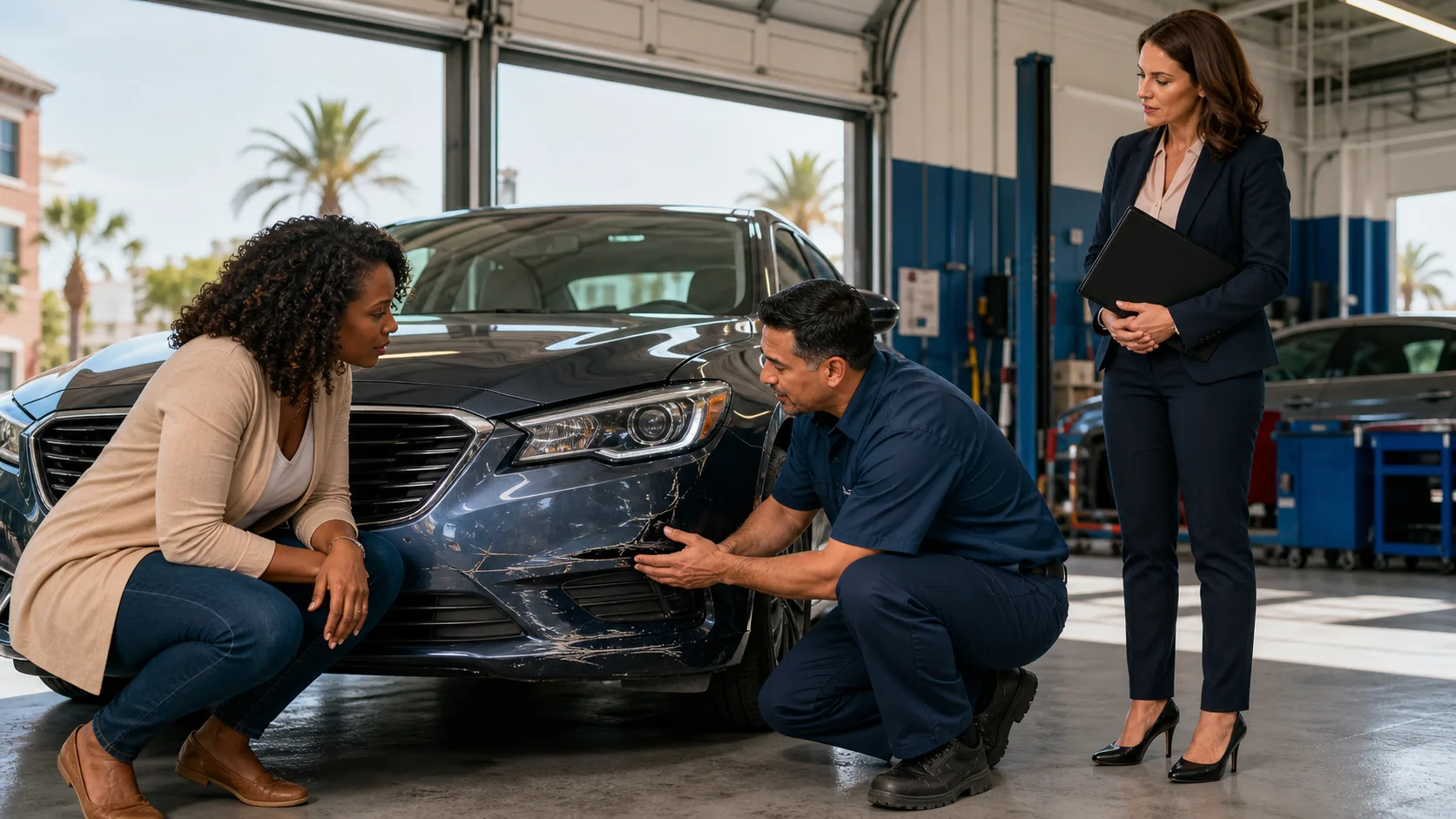
After a crash in Charleston, most people focus on getting their car fixed and their life back to normal. That is completely understandable, but rushing into repairs without thinking about the legal impact can hurt a future injury claim. Your vehicle is more than transportation after a collision; it is one of the most important pieces of physical evidence you have.
In any motor vehicle accident case, especially when fault is disputed, the condition of the vehicles often tells a clearer story than witness memories. The pattern of damage, the way the metal bent, and even how paint transferred can support or contradict each driver’s version of events. When a car is quickly repaired or sent to salvage, that story can disappear forever.
For that reason, in helps to involve a car accident lawyer in Charleston, SC as early as possible. Legal guidance at the start can help protect the vehicle, your own health, and your right to pursue full compensation for medical bills, lost income, and other losses.
Why Insurance Pressure to "Fix It Fast" Can Backfire
Insurance adjusters know you want your vehicle back in service quickly. They often call very soon after a crash with offers to schedule repairs, recommend a shop, or push a total loss settlement. They may present this as doing you a favor or speeding things up, but quick action is not always in your best interest.
Agreeing to fast repairs can cause problems later, such as:
- Losing proof about how hard the impact was
- Covering up structural damage that supports injury claims
- Making it harder to show that the crash reduced the value of your vehicle
If the vehicle is repaired or sent to a salvage yard before your lawyer or an independent expert examines it, your options can narrow. For example, if the insurer later argues that the crash was “low impact” or that you could not have been seriously hurt, it is much harder to push back without the original, unaltered vehicle.
Once bodywork is done and parts are replaced, you cannot go back and recheck frame measurements or see how panels buckled. If the car is sold for salvage, tracking it down can be difficult or impossible. This loss of evidence can weaken your position when you are negotiating for a fair settlement on your injury claim.
The Role of Your Vehicle as a Critical Evidence Source
Your damaged vehicle can help answer key questions about what happened in the crash. This is especially important when the other driver denies fault or when multiple vehicles are involved.
Physical damage alone can reveal a lot:
- Dents and crumple zones can show where your car was hit and from what direction
- Broken glass and deformed doors can indicate how forces moved through the passenger area
- Airbag deployment patterns can suggest whether sensors detected a significant impact
- Undercarriage damage can suggest whether your car went over debris or another vehicle
Modern vehicles often contain powerful electronic evidence too. Many cars have an event data recorder, sometimes called a black box, that may store information about:
- Speed just before impact
- Braking and throttle input
- Seat belt use and, in some cases, airbag timing
Some vehicles also have built-in or aftermarket cameras and parking sensors. These systems can capture images, video, and alerts that line up with your version of the crash.
A car accident lawyer in Charleston, SC can work with accident reconstructionists and other experts who know how to interpret these details. Their work is strongest when the vehicle is as close as possible to its post-crash condition, before repairs or modifications.
How Delayed Repairs Can Undermine Liability and Damages
While rushing repairs can erase evidence, waiting too long without a plan can also cause trouble. Insurers may look for any excuse to argue that damage or injuries are not related to the original crash.
Here are a few ways delayed or poorly documented repairs can hurt a claim:
- If you keep driving a damaged vehicle and it later sustains new scratches or dents, the insurer may argue that part of the damage came from another incident.
- If the car remains drivable and you choose not to fix it for a long time, the insurer might claim the impact was minor and use that to question the seriousness of your injuries.
- If there are gaps in repair records, missing photos, or inconsistent estimates, the insurer can use that confusion to dispute repair costs or claim that you are overvaluing property damage.
Insurers sometimes point to clean, post-repair photos to say, in effect, “The car looks fine, so the crash must not have been that bad.” Without strong visual proof of the original condition, it can be harder to counter that narrative.
To avoid these issues, it helps to balance two goals: keeping a complete record of your vehicle damage and getting safe, timely repairs once the evidence has been preserved.
Smart Steps to Protect Your Vehicle Evidence After a Crash
There are practical steps you can take right after a crash in the Charleston area to protect your claim while still moving forward with repairs when the time is right.
Start with thorough documentation:
- Take clear photos of all sides of the vehicle, even areas that look undamaged
- Get close-up shots of every dent, scratch, fluid leak, or broken part
- Photograph the interior, including deployed airbags, loose panels, and seat positions
- Open the hood and trunk and take photos there as well, if it is safe to do so
Keep paperwork that shows what happened to the vehicle:
- Initial repair estimates from any shop that inspects the car
- Towing invoices and storage receipts
- Written notes about when the vehicle was moved and where it was kept
If possible, arrange to store the vehicle in a secure location until a lawyer gives the green light for major repairs or disposal. A car accident lawyer in Charleston, SC can help coordinate inspections, send letters asking that evidence be preserved, and work with experts while the vehicle is still in its original post-crash state.
Partnering with Legal Help to Safeguard Your Claim Value
Trying to juggle medical appointments, work, transportation problems, and insurance calls after a crash is stressful. It is easy to feel pressured into quick decisions about your vehicle just so you can get back on the road. Early legal guidance can help balance those very real needs with the long-term value of your injury claim.
A lawyer can explain how vehicle repairs fit into the bigger picture of your case and help you avoid missteps such as:
- Signing repair authorizations that limit your rights or give the insurer too much control
- Releasing the vehicle to an insurer’s preferred shop before an independent inspection
- Accepting a property damage settlement that could be used later to downplay your injuries
When you understand how your damaged vehicle connects to issues like fault, impact severity, and long-term losses, you are in a better position to make informed choices. With careful planning and early help, you can protect vital evidence and still move forward toward repairing or replacing your car in a way that supports, rather than weakens, your Charleston crash claim.
Protect Your Rights After a Charleston Car Accident
If you were hurt in a crash, our team at Schiller & Hamilton Law Firm is ready to guide you through your legal options and pursue the compensation you deserve. Speak with a dedicated car accident lawyer in Charleston, SC who can evaluate your case and handle the insurance companies for you. We will listen to your story, explain your next steps, and keep you informed at every stage. To schedule a consultation, simply contact us today.