 803-902-4583



A fatal car crash can leave Beaufort families carrying grief, uncertainty, and immediate financial concerns all at once. No legal claim can undo the loss of someone you love, but a wrongful death action may provide a way to seek accountability and financial support for the people left behind.
During the fall, shorter daylight hours, changing weather, school traffic, and increased travel through Beaufort County can create added risks on the road. We often see how speeding, distracted driving, impaired driving, and failure to yield can turn an ordinary drive into a devastating collision. Below, we explain when a fatal crash may lead to a claim, what evidence matters, who may bring the case, and why early legal guidance can make a difference.
When a Wrongful Death Claim May Apply
Wrongful death claims may arise when someone dies because another person or company acted carelessly or wrongfully. Every collision must be reviewed based on its own facts. Fault may involve more than the driver who struck the vehicle.
Fatal crashes can involve passenger cars, commercial trucks, motorcycles, bicycles, or pedestrians. Some common forms of negligence include:
- Drunk or drug-impaired driving
- Distracted driving, including phone use behind the wheel
- Speeding, tailgating, or unsafe lane changes
- Running a red light or failing to yield
- Drowsy driving or failing to adjust to rain, darkness, or heavy traffic
Although a traffic ticket or criminal charge can be helpful evidence, it is not required for a civil wrongful death case. A driver may still be responsible even if law enforcement does not file criminal charges. Criminal cases and civil claims also follow different rules, timelines, and standards of proof.
As a wrongful death attorney in Beaufort, SC, we also look beyond the other driver when the facts call for it. An employer may share responsibility for an on-duty driver, for example. In a commercial vehicle crash, the trucking company, vehicle owner, maintenance provider, or another party may have played a role.
Evidence Can Disappear Quickly
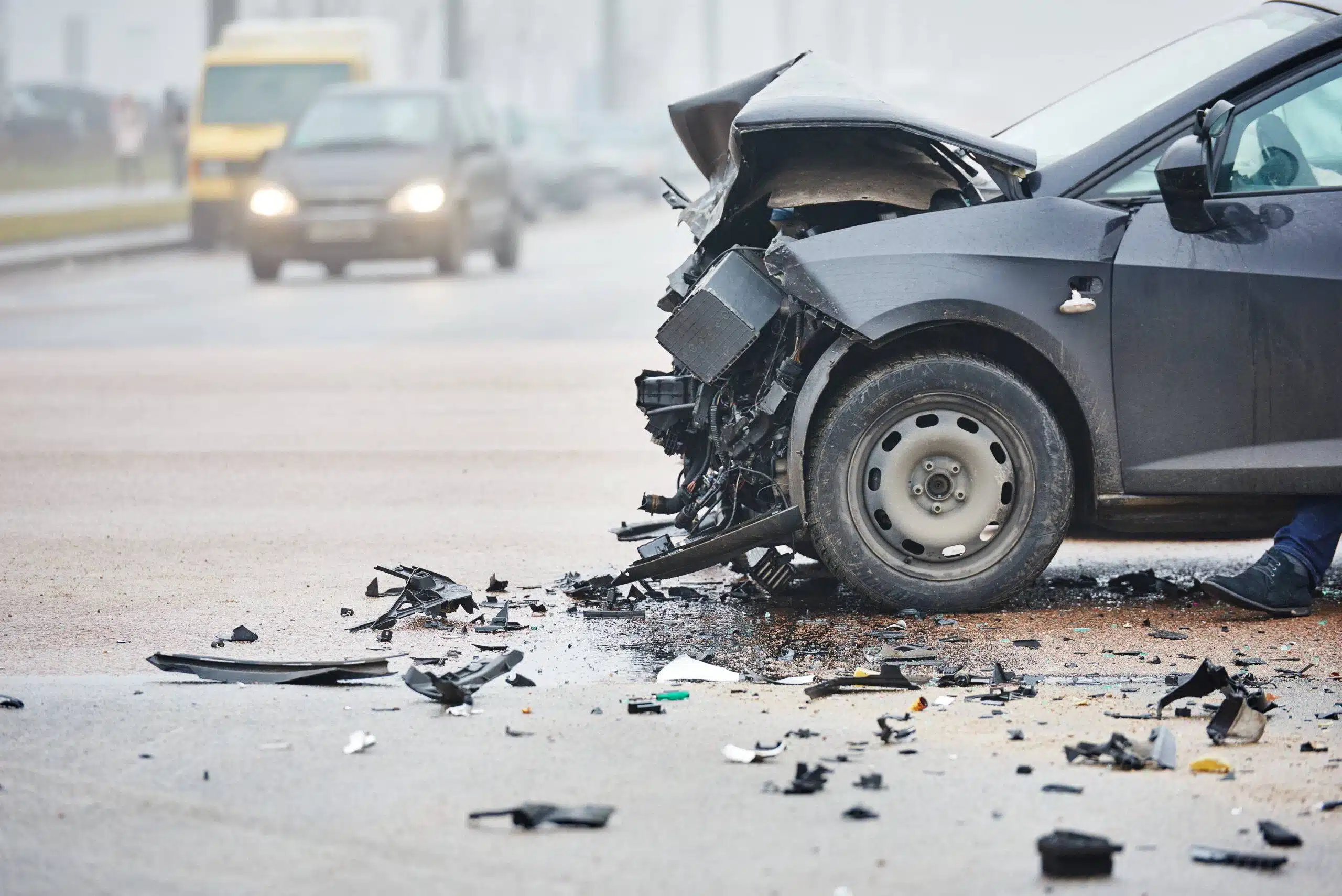
After a fatal collision, the evidence that explains what happened may not be available for long. Vehicles may be repaired or destroyed, roadway conditions can change, and witness memories may fade. Video recordings from businesses, homes, or traffic cameras may be deleted or recorded over within days or weeks.
Careful investigation may involve materials such as:
- Collision reports, scene photographs, and vehicle damage records
- Witness statements and dashboard camera recordings
- Surveillance footage from nearby homes or businesses
- Phone records or other evidence of distracted driving
- Crash reconstruction findings and roadway condition evidence
Vehicle evidence can be especially meaningful. Many newer cars contain event data recorders that may capture information about braking, steering, speed, seat belt use, and actions shortly before impact. Commercial trucks may also have electronic logging information, onboard camera footage, maintenance records, and driver qualification files.
Preservation notices can be sent to insurers, drivers, trucking companies, and others who may control this information. Families should not have to rely only on an insurance company’s investigation when questions about fault and the family’s future are still unanswered.
Who May Bring a South Carolina Wrongful Death Case
In South Carolina, a wrongful death claim is generally brought by the personal representative of the deceased person’s estate. That person may be a family member, but not every grieving relative is automatically authorized to file the case. This legal detail matters because the right to benefit from a claim is different from the authority to bring it.
Depending on the family’s situation and applicable law, compensation may benefit a surviving spouse, children, parents, or other legal heirs. The proper distribution depends on the circumstances of the family and the estate.
Such a fatal crash can affect nearly every part of a household’s stability. A claim may consider lost financial support, loss of companionship, emotional suffering, funeral and burial expenses, and other losses connected to the death. We know these losses are not limited to bills arriving in the weeks after a crash. They can affect future plans, child care, household responsibilities, and the sense of security a loved one provided.
Wrongful Death Claims and Survival Actions
Wrongful death claims focus on the losses suffered by surviving family members. A survival action is different. It may address certain losses the deceased person experienced between the collision and death.
Both types of claims may be appropriate in some cases, depending on what occurred and the available evidence. For example, medical records, witness accounts, and crash evidence may help show whether the person survived for a period after the impact and experienced pain or other harm. We can review the facts to determine which claims may apply and how they fit together.
Insurance and the Full Impact of the Loss
Insurance coverage is often at the center of a fatal crash claim, but an early settlement offer may not reflect the full personal and financial impact of the death. Before any agreement is considered, it is wise to understand every possible source of coverage.
Potential policies may include the at-fault driver’s liability insurance, uninsured or underinsured motorist coverage, commercial vehicle coverage, or other policies connected to the crash. These questions can become harder in multi-vehicle collisions and trucking cases, where several insurers may be involved.
Any full damages review should look beyond immediate expenses. Long-term lost income, household contributions, companionship, and other legally recognized harms may all matter. We can help identify coverage, communicate with insurers, review settlement proposals, and prepare for litigation when an insurer does not offer fair compensation.
Protecting Your Family’s Rights After a Fatal Crash
South Carolina deadlines may apply after a fatal Beaufort collision, and records or video footage may become unavailable with time. Keeping available crash reports, insurance details, photographs, insurer correspondence, and witness contact information can help preserve what is already in your hands.
Families do not need to determine fault, calculate losses, or handle insurance communications alone while mourning. Preserving available information and understanding the legal options can help protect important evidence and clarify the steps that may follow after a fatal crash.
Get Guidance Tailored to Your Family’s Next Steps
At Schiller & Hamilton Law Firm, we can listen to your concerns and explain how a Wrongful death attorney in Beaufort, SC may assist your family. Our team is prepared to discuss your circumstances with care and answer questions about pursuing a claim. To speak with us, please contact us for a confidential consultation.