
 803-902-4583


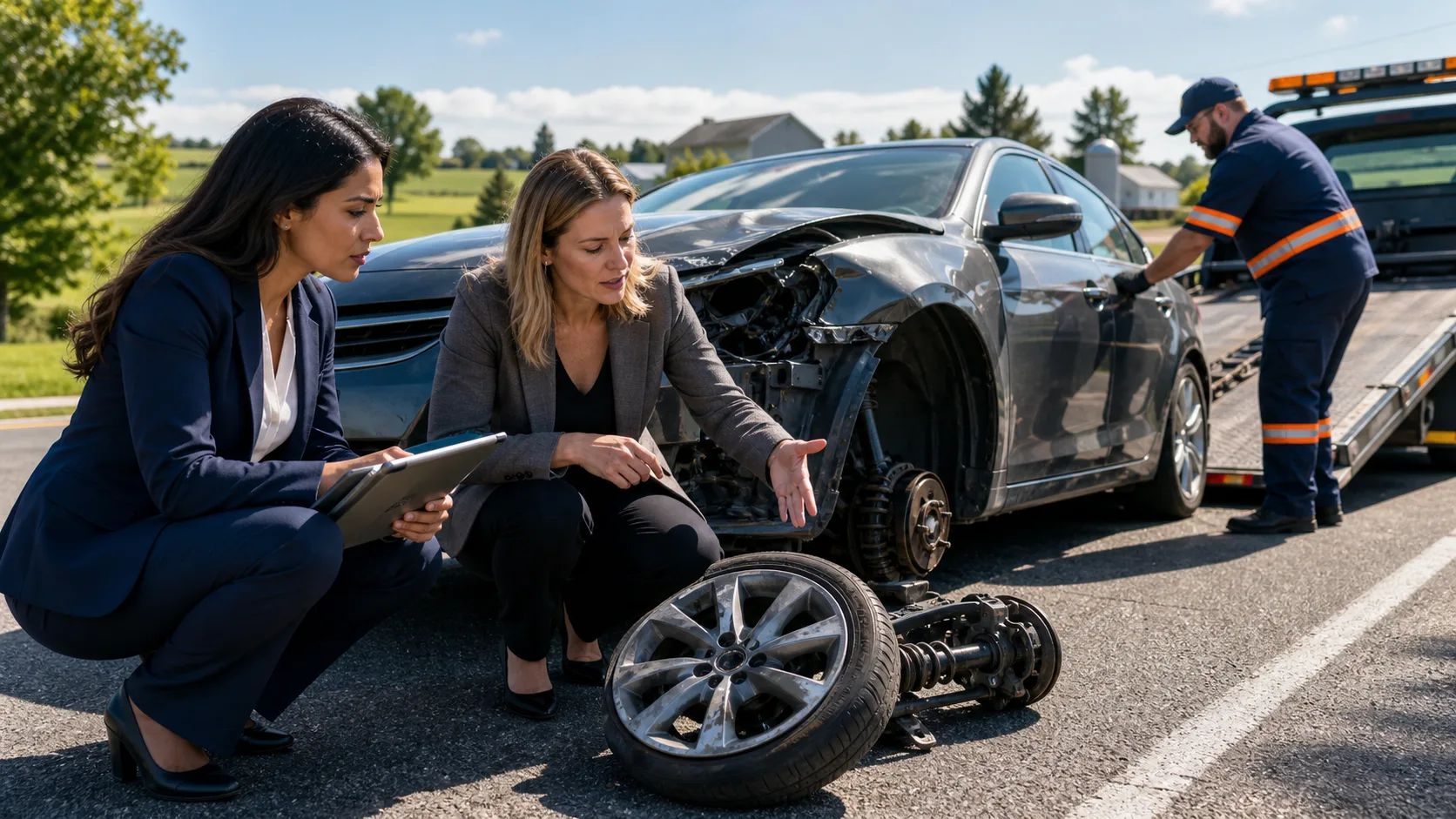
When Vehicle Defects Complicate Lancaster Auto Crash Claims
A Lancaster auto crash can become much more complicated when a vehicle defect may have caused the collision or made the injuries worse. Brake trouble, tire failure, steering problems, faulty airbags, broken seat belts, and vehicle fires can all raise questions that go beyond the actions of the other driver.
At Schiller & Hamilton Law Firm, we know that driver error is not always the full story. When the facts suggest a problem with a vehicle’s design, manufacturing, repairs, or recalled parts, we can review whether a negligence claim, a defective-product claim, or both may be involved.
Conditions Can Raise the Stakes
October often brings earlier sunsets, rain, wet leaves, and more deer activity on roads around Lancaster County. Those conditions can make it harder to stop, see hazards, or avoid an animal in the roadway. Still, a vehicle’s safety features should work when a driver needs them most.
A sudden brake failure on a wet road may leave a driver with no safe way to avoid a crash. Likewise, an airbag that does not deploy or a seat belt that fails during impact may turn a manageable collision into one with far more serious injuries. We recommend looking closely at the vehicle itself instead of assuming poor weather or another driver’s conduct explains everything.
Warning Signs of a Possible Vehicle Defect
Some vehicle problems are obvious right after a collision. Others are easier to spot when you think back to trouble you noticed before the crash. A defect may have caused the wreck directly, or it may have made the outcome more dangerous.
Signs worth preserving and discussing include:
- Brakes that did not respond, grabbed suddenly, or felt unusually soft
- Steering that locked, drifted, shook, or failed to respond
- Tire tread separation, a sudden blowout, or repeated tire problems
- An airbag that did not deploy or deployed unexpectedly
- A seat belt, door latch, roof structure, or fuel system that failed during impact
Prior dashboard warnings, strange noises, repeated repair visits, vibrations, recall notices, and earlier component failures may also matter. If possible, avoid having the vehicle repaired, sold, dismantled, or destroyed before it can be inspected. The damaged vehicle may hold answers that cannot be found later.
How Defects Can Change a Crash Claim
A vehicle defect can bring several parties into the picture. The other driver may still be responsible for speeding, driving while distracted, following too closely, failing to yield, or ignoring unsafe road conditions. Yet a manufacturer, parts maker, dealership, repair shop, fleet owner, or maintenance provider may also deserve review.
Showing that a crash happened is not always enough to connect a defect to the harm. The available evidence may need to show that a faulty component contributed to the collision or increased the injuries you suffered. That often means examining repair records, recall information, photographs, inspection findings, vehicle data, and the damage pattern.
Insurance companies may focus on placing all blame on the injured person or the other driver. An auto crash lawyer in Lancaster, SC can review the facts, identify possible sources of insurance coverage, and work to preserve evidence before it disappears.
Evidence That May Connect the Defect to the Collision
The post-crash condition of a vehicle can be highly informative. Damage to the tires, brakes, steering system, restraints, airbags, and electronic components may show what happened in the moments before and during the impact.
Useful records can include:
- The police report and crash-scene photographs
- Witness statements and available surveillance footage
- Repair invoices, maintenance records, and inspection reports
- Recall notices and communications from dealerships or manufacturers
- Records of earlier complaints involving the same vehicle model or part
Many modern vehicles also contain event data recorders, sometimes called black boxes. Depending on the vehicle and circumstances, these systems may contain information about speed, braking, steering, seat belt use, and other pre-crash activity. Prompt attention can make a difference because repairs, storage decisions, or vehicle disposal can alter or erase evidence.
Shared Responsibility Can Affect Your Recovery
More than one problem can contribute to the same crash. A driver’s careless actions may combine with a defective tire, poor repair work, or an unsafe vehicle component. A recall alone does not automatically prove responsibility, but it can be a meaningful fact to investigate, especially when it involves the part connected to the crash or injuries.
Finding every responsible party can matter when injuries lead to emergency care, rehabilitation, missed work, vehicle damage, and long-term physical limits. We believe a thorough review should consider both the losses you face now and the effects that may continue after the crash.
Protecting Your Lancaster Crash Claim
After a collision, seek medical attention and follow the treatment recommendations you receive. Keep track of symptoms, appointments, medical bills, time missed from work, and other accident-related expenses. It is also wise to be careful about recorded statements and quick settlement offers before you understand the full extent of your injuries and available options.
Save photographs, damaged personal items, repair paperwork, recall notices, and communications from insurers, repair shops, dealerships, or manufacturers. When a defect may be involved, an auto crash lawyer in Lancaster, SC can evaluate the circumstances, help preserve evidence, and assess which parties may be responsible for the collision and resulting injuries.
Get Clear Guidance After a Defect-Related Crash
Schiller & Hamilton Law Firm can help you understand your legal options and take timely next steps. Speak with an auto crash lawyer in Lancaster, SC about your situation and the compensation that may be available. To arrange a consultation, contact us today.