 803-902-4583


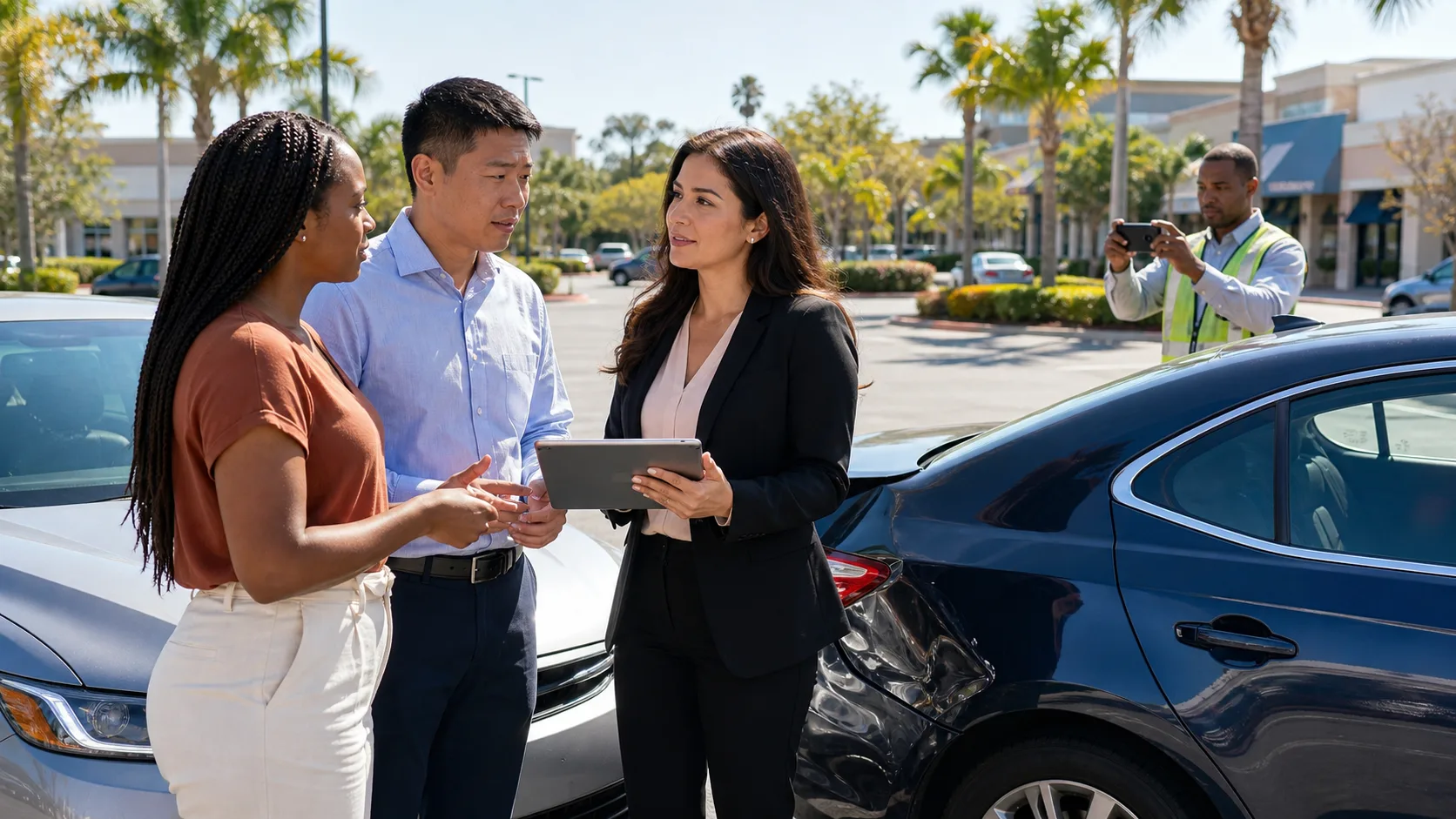
A parking lot crash can leave you with more questions than answers, even when both vehicles were moving slowly. A quick trip to a Beaufort store, restaurant, office complex, or event can end with painful injuries, expensive vehicle damage, and an insurance adjuster asking who caused the collision. Low speed does not always mean low stakes when a crash leads to whiplash, broken bones, head injuries, or ongoing pain.
Protect Your Rights After the Impact
The moments after a collision can matter later, especially when the drivers disagree about what happened. If you can do so safely, move your vehicle out of traffic, check yourself and others for injuries, and contact law enforcement when appropriate. Even on private property, a report may help document the event when there are injuries, major damage, or concerns about unsafe driving.
Gather details before vehicles leave the scene. Parking lot camera footage can be erased or recorded over quickly, so prompt documentation can make a real difference.
- Exchange names, contact details, driver’s license information, and insurance information.
- Take photos of vehicle positions, damage, lane markings, signs, and the surrounding area.
- Ask witnesses for their names and contact information.
- Note nearby businesses or property owners that may have security cameras.
Try not to guess about fault or apologize simply because you feel shaken up. A statement such as “I didn’t see you” or “I’m sorry” may be taken out of context by an insurance company. Focus on safety and facts rather than accepting anyone’s version of events before the evidence has been reviewed.
Fault Depends on How the Crash Happened
South Carolina generally follows a fault-based system. That means the driver whose careless actions caused the crash may be responsible for the losses that follow. In parking areas, common disputes involve drivers who backed out without looking, failed to yield, drove too fast for the conditions, used a phone, ignored stop signs, or went against directional arrows.
Through lanes and parking spaces often matter. A driver traveling in a marked lane may have the right of way over a driver pulling out of a parking space. Still, no single rule decides every claim. A driver in the through lane may also share blame if they were speeding, distracted, or failed to react reasonably.
South Carolina’s modified comparative negligence rule can affect the outcome when both drivers may have played a part. An injured person may still have a claim if they share some responsibility, but any recovery can be reduced by their share of fault. As an auto accident law firm in Beaufort, SC, a review of the facts can help before an insurer places unfair blame on you.
Insurance May Cover More Than Repairs
Vehicle repairs are often the first concern after a parking lot crash, but they may be only part of the loss. A hard impact at a low speed can still cause injuries that take time to show up or worsen after the adrenaline fades. Medical care, missed work, and the daily effects of pain can all deserve attention.
Depending on the facts and available coverage, a claim may include:
- Repair or replacement of your vehicle and other damaged property.
- Medical expenses and future treatment needs related to crash injuries.
- Lost income when injuries keep you from working.
- Pain and suffering connected to the physical and personal effects of the collision.
The at-fault driver’s bodily injury liability and property damage coverage may provide the first source of payment. Your own policy could also matter. Collision coverage, Medical Payments coverage, uninsured motorist coverage, and underinsured motorist coverage may apply in certain situations.
A fast settlement offer can be tempting when bills are arriving and your car needs work. Yet signing a release too soon may end your ability to seek more compensation if treatment continues, work becomes difficult, or the full impact of the injury becomes clearer later.
Evidence Can Clear up a Disputed Claim
Parking lot claims are often contested because drivers may remember the collision differently. Police do not always respond to crashes on private property, particularly when there are no reported injuries or serious safety concerns. Without a formal report, the insurance company may rely heavily on each driver’s statement.
That is why the physical evidence can tell an important story. Photos showing arrows, stop signs, angled parking spaces, or blocked sightlines may help explain who should have yielded. The location and shape of the damage can also show whether a vehicle was backing, turning, or traveling straight through a lane.
Other useful records may include surveillance footage, witness accounts, repair estimates, medical records, and phone records when distraction is suspected. An investigation can help determine what happened, request available video before it disappears, and communicate with insurance carriers using documentation rather than assumptions.
Private Property Does Not Remove Responsibility
A crash in a grocery store lot or shopping center does not lose its importance because it happened off a public road. Drivers still have a duty to use reasonable care, watch for others, follow posted signs, and operate their vehicles safely. When someone fails to do that, an insurance claim may still be available.
The condition of the property can also provide useful context. Faded arrows, missing signs, poor traffic flow, or obstructed views may help explain why the crash occurred. In more complicated cases, more than one insurance policy or responsible party may need to be reviewed. Do not treat an adjuster’s first fault decision as the final word when injuries, multiple vehicles, or conflicting evidence are involved.
Take Time Before You Settle
Before you provide a recorded statement, sign paperwork, or accept a payment, take time to understand what the offer covers. Insurance companies may move quickly after a parking lot collision, particularly when fault appears uncertain or the injury has not yet been fully evaluated.
A careful review can help identify available coverage, preserve evidence, and account for vehicle damage, medical needs, lost income, and other losses. When the facts are unclear, protecting your options early can prevent a rushed decision from shaping the rest of your claim.
Get Clear Guidance for Your Next Steps
Schiller & Hamilton Law Firm can help you understand the practical choices ahead and prepare for conversations with insurers. Speak with an auto accident law firm in Beaufort, SC that will listen to your concerns and explain the process in straightforward terms. When you are ready to discuss your situation, contact us for a consultation.