 803-902-4583


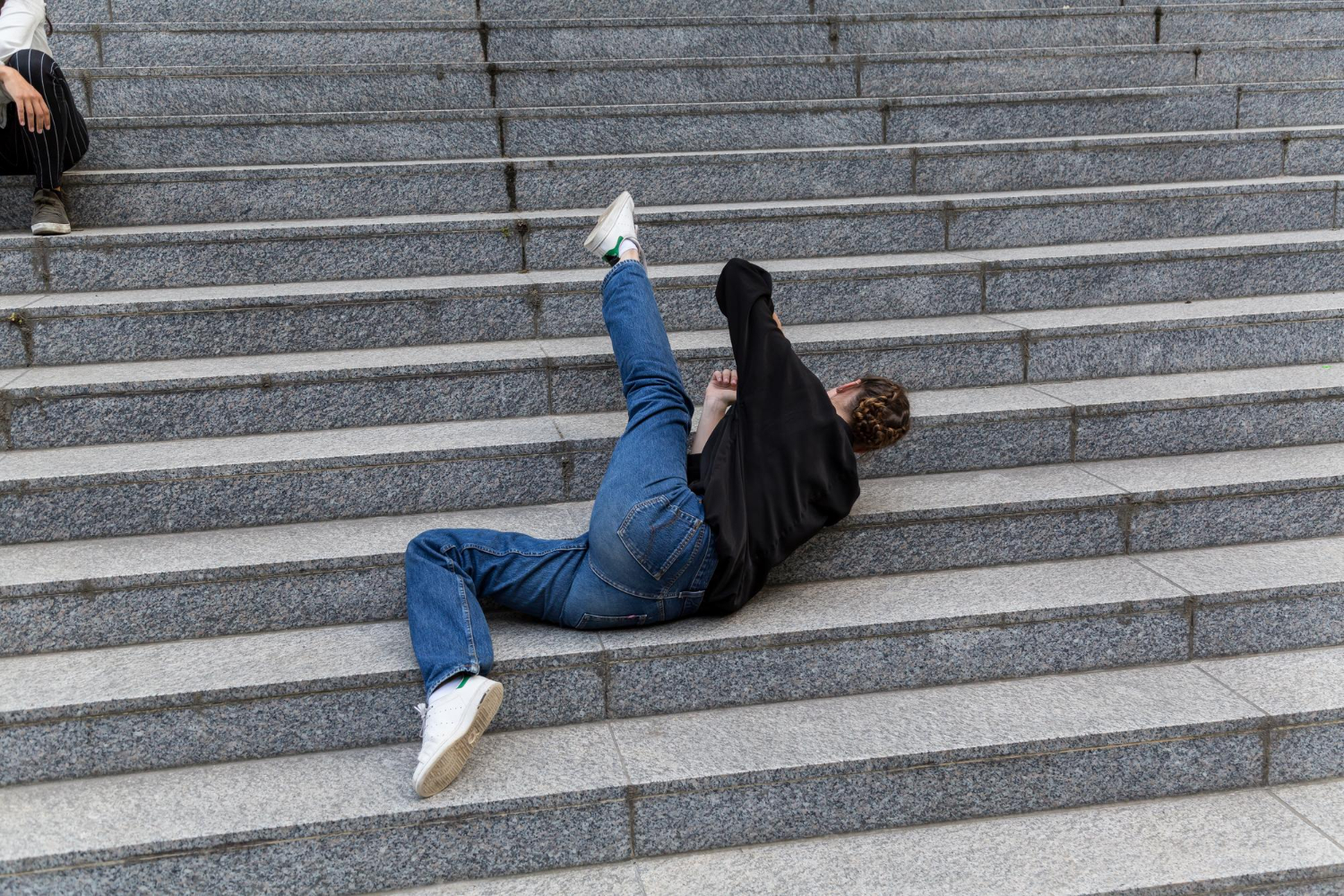
When the sun goes down early and the sidewalks are damp from January rain, bad lighting does more than dim the view, it creates real danger. In Charleston, poor lighting is a common reason why people slip, trip, or fall in public and private spaces. Along narrow side streets, older apartment buildings, or busier shopping areas, it’s easy to overlook how important working lights really are until someone gets hurt.
Not being able to see simple hazards like a crack in the pavement or a wet floor makes accidents much more likely. That’s why lighting isn’t just about convenience, it’s a matter of safety. After an accident caused by dim or broken lights, a slip and fall lawyer in Charleston, SC can help sort out what went wrong and who’s responsible.
How Low Light Affects Visibility
When it’s hard to see clearly, everyday surfaces suddenly turn risky. Dim or broken lights make it difficult to notice hazards that would usually be easy to avoid. This matters a lot during South Carolina’s winter months, when daylight hours are short and visibility drops fast.
Poor lighting can lead to trouble by creating situations like these:
- Cracks or holes in sidewalks staying hidden in the shadows
- Spilled liquids blending into dark floors or pavement
- Uneven steps or curbs that are hard to judge in low light
Even clean, dry surfaces can become hard to read if shadows are deep enough or if bulbs aren’t working. Once someone takes that first wrong step, the lighting, or lack of it, often plays a key part in what happened.
Common Places in Charleston Where Lighting Fails
Charleston has plenty of places where lighting might not be up to standard, especially when you consider how quickly outdoor lights age or need repairs. We see problems often in high-traffic areas where bulbs blow out and don’t get replaced or where design leaves dark corners that feel more like hidden holes.
Places that deserve a second look include:
- Outdoor shopping spaces and walkways that lose lighting after hours
- Older apartment buildings with stairwells that don’t have enough lighting
- City parking garages or business entrances with broken or flickering bulbs
Wet floors from rain or morning fog in January turn these spots into even more dangerous areas. Add poor lighting to slick pavement and the risk goes up. Falling under those conditions isn’t just bad luck, it’s often the outcome of poor planning or maintenance.
Who’s Responsible for Fixing Bad Lighting
When someone slips or falls because they couldn’t see a hazard, the next question often becomes who failed to act. Property owners, store managers, or landlords usually have a job to keep their places safely lit for anyone walking through.
That responsibility includes:
- Checking lighting regularly and replacing bulbs or fixtures when they fail
- Making sure indoor and outdoor areas meet basic visibility needs, especially in staircases or walkways
- Fixing wiring and any other problems that stop lights from working properly
If a business or building skips these steps, it can leave people at risk. For those trying to get help after getting hurt, having clear photos or a memory of where lights were missing makes a big difference. A slip and fall lawyer in Charleston, SC may ask about those conditions when starting a case.
Why Lighting Matters More in Winter
During the winter months, good lighting becomes even more important. In Charleston, January brings cooler days and long, darker evenings. That means more walking around after sunset, sometimes during the early afternoon on cloudy days.
Here’s how winter plays into the risk:
- Rain and fog make it hard to see even in daylight, so poor lighting compounds that problem
- People often wear heavier shoes or coats in winter, which can slow movement and throw off balance
- Slick sidewalks or wet indoor floors make hidden hazards harder to react to
Even simple things like a slight dip in pavement or small puddle from someone tracking in rainwater can turn into a fall when lighting is bad. The difference between walking safely and falling often comes down to whether someone noticed the risk in time.
Light It Right: Preventing Accidents with Proper Visibility
Falls are rarely caused by just one thing. It’s usually a mix of small problems, one of them often being poor lighting. Whether walking through a grocery store, climbing apartment stairs, or making your way to a car in a dim parking garage, the ability to clearly see what’s under your feet cuts down the chance of injury.
There are things we can all look out for before accidents happen:
- Report broken lights to apartment offices, store managers, or building supervisors
- Use mobile phone lights when walking through especially dark areas
- Stay alert to uneven or shiny surfaces anytime visibility is low
Paying attention helps, but that doesn’t excuse property managers from keeping spaces safe. When poor lighting plays a part in an accident, it’s fair to ask why the lights didn’t work, and who didn’t fix them. That’s often where the path to answers, and possibly compensation, begins.
Dim lighting, wet stairwells, and dark parking areas can make determining what caused your fall feel overwhelming as you try to understand the details of an accident. These elements matter, especially when injuries occur, and speaking with a slip and fall lawyer in Charleston, SC can help you take the next step toward answers. Our Charleston office at 1629 Meeting Street Road in Charleston, SC, gives you a local place to sit down and talk through what happened. We offer free consultations and handle slip and fall cases on a contingency fee basis, so you do not have to pay us upfront to get help after a fall. At Schiller & Hamilton Law Firm, we are ready to listen and support you throughout every aspect of the process, so contact us today to discuss what happened and how we can help.