
 803-902-4583


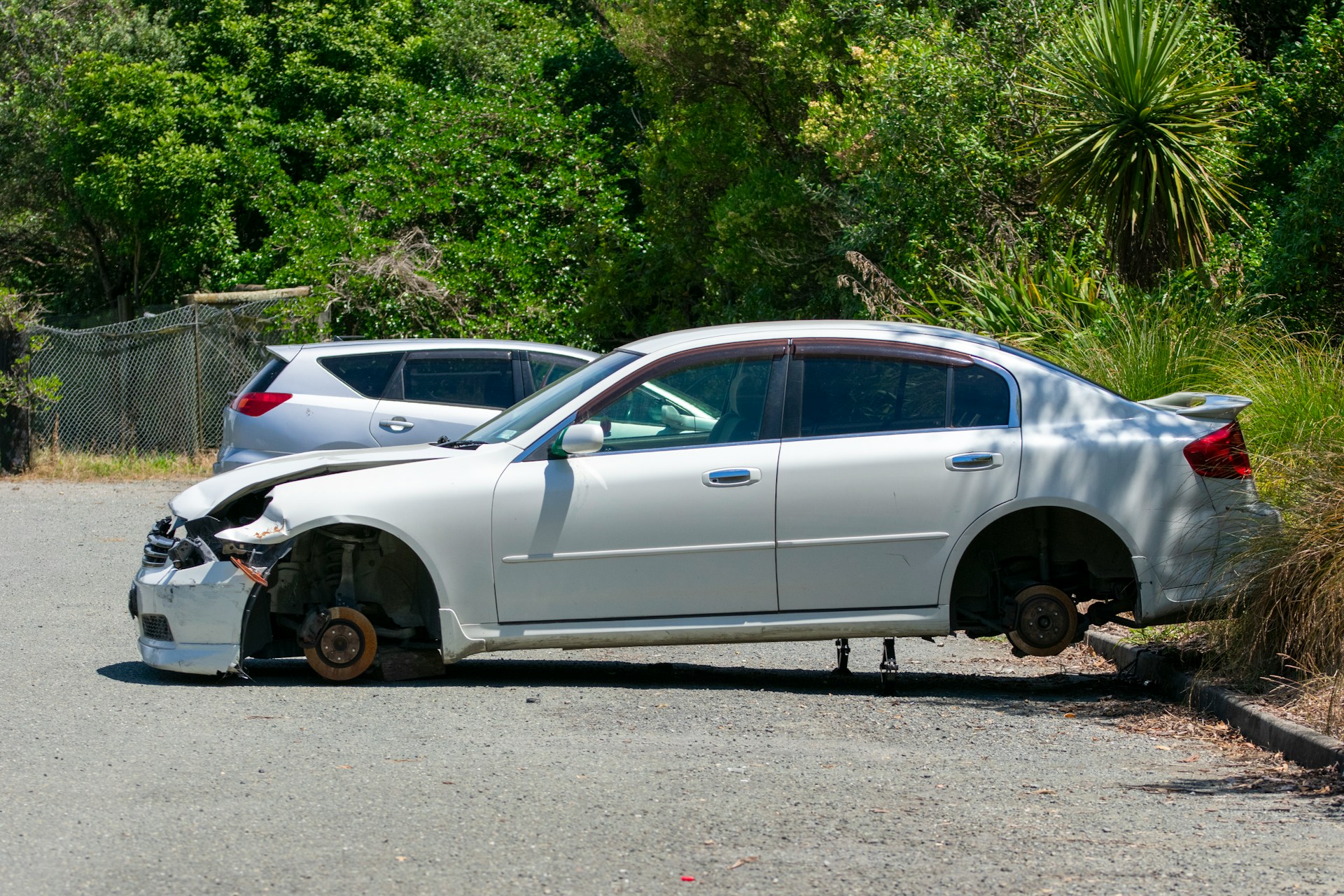
Why “Minor” Rock Hill Crashes Are Anything but Minor
A slow tap to your bumper at a Rock Hill stoplight might not look like much. The cars barely move, both drivers step out, and at first glance it appears everyone is fine. Then, a day or two later, neck stiffness sets in, headaches start, or lower back pain makes it hard to sit, sleep, or work. What felt like a “minor” fender bender turns into a very real injury.
Many people believe only high-speed wrecks on the highway cause serious harm. In our work as a car accident lawyer in Rock Hill, SC, we see that is simply not true. Low-speed collisions are common in city traffic on Cherry Road or Dave Lyle Boulevard, in parking lots, school zones, and residential neighborhoods. This article explains how those low-speed crashes still create powerful forces, the injuries they cause, how insurance companies often respond, and the steps you can take to protect your health and your rights.
How Low-Speed Impacts Still Deliver Powerful Forces
What counts in a crash is not just how fast you were moving, but how quickly your speed changes. When a vehicle goes from moving to stopped in a fraction of a second, that sudden jolt transfers energy into the bodies inside the car. Even at lower speeds, that can be enough to injure muscles, ligaments, discs, and joints.
Vehicle size and weight also matter. A heavy SUV or pickup creeping through Rock Hill traffic that bumps into a smaller sedan can create a strong impact even if both drivers think they were only going “a little over the limit.” The occupants feel that force in their neck, spine, and joints, not in the sheet metal.
Modern bumpers and frames are often designed to limit visible damage at lower speeds. That can lead to situations where:
- The bumper springs back into place, hiding the energy of the impact
- The trunk or rear panels show only light scuffing or a small crack
- The insurance company points to minimal repair costs as “proof” no one was hurt
Despite this, the human body does not have a bumper. In a rear-end crash, your torso is pushed forward by the seat while your head snaps forward and back. In a side-impact or angle collision at an intersection, your body may twist, your shoulder may slam into the seat belt, or your knee may strike the dash or door.
Different collision types at low speed can still jar your body:
- Rear-end crashes, especially at stoplights or stop signs
- Side-impact collisions in parking lots or when someone rolls a stop
- Angle or “T-bone” collisions in Rock Hill intersections where one driver misjudges a gap
The common thread is sudden, uneven movement that your muscles and joints are not ready for.
Common Serious Injuries in Low-Speed Rock Hill Crashes
We often see the same kinds of injuries in lower-speed collisions as in higher speed wrecks, just without dramatic vehicle damage. Some of the most common include:
Neck and back injuries. A classic example is whiplash, where the neck is forced through a quick back-and-forth motion. This can lead to:
- Muscle and ligament strains or sprains
- Herniated or bulging discs in the neck or lower back
- Stiffness and reduced range of motion
Symptoms may not appear right away. Adrenaline and shock can mask pain, so someone might feel “shaken up but okay” at the scene, then wake up the next morning unable to turn their head.
Head and brain injuries. A person does not need to hit the windshield to sustain a concussion. The brain can move inside the skull during a jolt and strike the inner bone. Resulting symptoms can include:
- Headaches or pressure in the head
- Dizziness, nausea, or sensitivity to light and noise
- Trouble concentrating, memory issues, or feeling “foggy”
Again, these may take hours or days to show up after a low-speed collision.
Shoulder, knee, and soft-tissue injuries. When you brace for impact or are thrown against the belt or car interior, you might experience:
- Shoulder injuries from the belt locking across your chest
- Knee injuries from hitting the dashboard or center console
- Sprains, strains, and deep bruising in arms, hips, or ribs
Aggravation of pre-existing conditions is another major concern, especially for older adults or anyone with prior back or neck issues. A crash that might not seriously injure a younger, healthy person can significantly worsen:
- Degenerative disc disease or arthritis
- Old neck or back injuries
- Chronic pain conditions that had been under control
For those individuals, a “minor” wreck can become a life-changing event that affects work, daily activities, and quality of life.
Why Insurance Companies Downplay Low-Speed Collision Claims
Insurance companies often focus on what they can see and measure quickly, not what you are actually feeling. Common arguments we encounter include:
- “The property damage was minimal, so you could not have been badly hurt.”
- “No one went to the ER from the scene, so the injuries must be minor.”
- “You did not complain of pain right away, so it must not be related to the crash.”
Some insurers rely on “minor impact” or “low-speed impact” reports, along with computer systems that look at repair bills and vehicle damage photos. Those tools may give very little weight to medical records, your pain levels, or how the crash affects your daily life.
That is why your own documentation is so important:
- Get prompt medical evaluation, even if your pain is mild at first
- Follow your doctor’s orders and attend all appointments
- Keep copies of test results, prescriptions, and treatment notes
Insurance adjusters sometimes make quick, low settlement offers in the hope that you will accept before the full extent of your injuries is clear. A car accident lawyer in Rock Hill, SC, is familiar with these tactics and can help push back when an insurer tries to treat your injuries as an inconvenience instead of a serious problem.
Protecting Your Health and Legal Rights After a Low-Speed Crash
Your first priority should always be your health. After a low-speed collision, it is wise to:
- Seek a medical evaluation as soon as possible, even if you feel “okay”
- Pay attention to delayed symptoms like stiffness, headaches, or dizziness
- Follow up with specialists or physical therapy if your primary doctor recommends it
At the scene, practical steps can also protect your legal rights:
- Call law enforcement so there is an official report
- Take photos or videos of the vehicles, license plates, and the surrounding area
- Exchange insurance and contact information with the other driver
- Ask for contact information for any witnesses
Once you are home, documentation becomes key to supporting a personal injury claim:
- Keep a daily pain diary describing symptoms and how they affect you
- Track missed work, reduced hours, or job duties you cannot perform
- Save receipts for medications, medical devices, and travel to appointments
You should also be careful about what you say and sign. Giving a detailed recorded statement to the other driver’s insurance company or signing medical releases without advice can harm your claim. An experienced car accident lawyer in Rock Hill, SC, can review your situation, explain your options, and help estimate the full value of your case, including future treatment needs and any long-term impact on your ability to earn a living.
When a “Small” Crash Calls for Strong Legal Help
Low-speed collisions around Rock Hill are often written off as minor inconveniences, but the injuries that follow can be anything but minor. Lingering neck and back pain, concussion symptoms, and aggravated pre-existing conditions can disrupt your work, your family life, and your finances long after the cars are repaired.
You do not have to accept an insurance company’s assumption that little car damage means little injury. If you are dealing with pain, medical visits, and bills after a low-speed wreck, your situation deserves to be taken seriously. At Schiller & Hamilton Law Firm, we draw on our experience with motor vehicle accident and personal injury claims in Rock Hill and nearby communities to stand up for people who have been hurt, no matter what the speedometer said at the moment of impact.
Protect Your Rights After a Car Accident Today
If you were hurt in a crash, our team at Schiller & Hamilton Law Firm is ready to evaluate your situation and explain your legal options. A dedicated car accident lawyer in Rock Hill, SC can handle the insurance companies and legal details while you focus on healing. We will review the facts, gather evidence, and pursue the compensation you may be entitled to under South Carolina law. To schedule a consultation, you can contact us today.