 803-902-4583


Staying Safe in Busy Downtown Charleston Streets
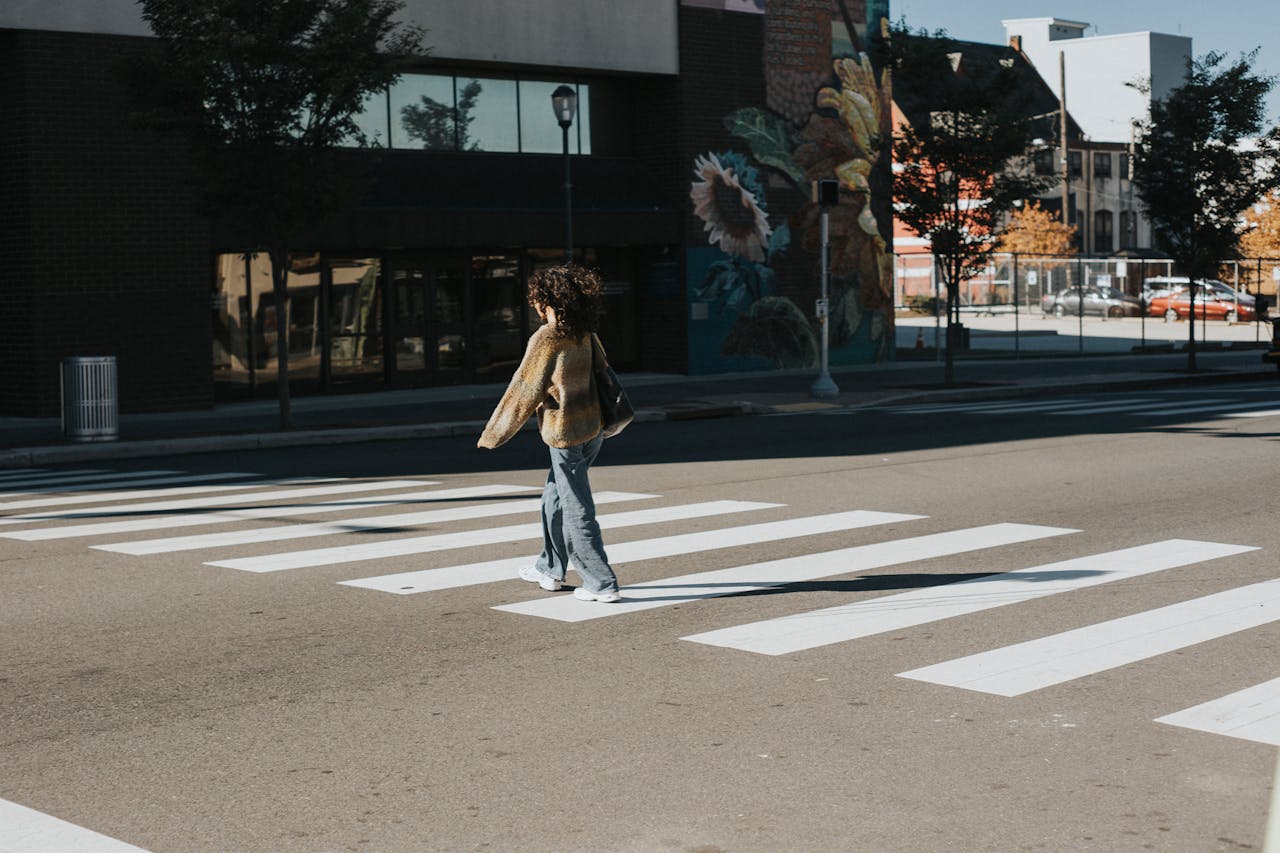
Downtown Charleston is made for walking. Historic buildings, narrow streets, and busy crosswalks near the market, waterfront, King Street, and popular restaurants bring together locals, workers, students, and visitors in the same compact space. With that charm comes risk, because heavy foot traffic mixes with cars, rideshares, delivery trucks, bikes, and tour vehicles at almost every corner.
Pedestrian accidents at crosswalks are common in this kind of environment. Drivers may be distracted by phones or tourists, rush to beat a light, or get confused about who has the right-of-way. Visitors on foot might not know where crosswalks are or how traffic flows downtown, especially at complex intersections. In this article, we explain how South Carolina crosswalk laws work, how fault is decided after a pedestrian crash, and how a local injury lawyer can help protect an injured pedestrian’s rights.
How South Carolina Crosswalk Laws Protect Pedestrians
South Carolina law gives important protections to pedestrians at crosswalks, both marked and unmarked. A marked crosswalk is easy to see, with paint or other striping. An unmarked crosswalk usually exists at most intersections where sidewalks on each side would naturally meet. In many situations, drivers must yield to pedestrians who are lawfully in these areas.
In downtown Charleston, several legal rules come up again and again. Drivers are generally required to stop or yield for pedestrians who are in a marked crosswalk on their side of the road, and drivers making right or left turns at intersections must yield to pedestrians who are crossing with the signal. The law also expects extra care near schools, bus stops, and places where children are likely to walk. Another common issue is “multiple threat” situations: drivers must not pass another vehicle that is stopped at a crosswalk to allow a pedestrian to cross.
Pedestrians have duties too. Even in a walkable area, the law expects people on foot to act reasonably and follow traffic signals. That includes obeying “Walk” and “Don’t Walk” signals and standard traffic lights, using marked crosswalks when they are available and nearby, and avoiding sudden entry into the street where a driver has no reasonable chance to stop. It also generally means avoiding crossing mid-block in busy areas when it creates a safety risk.
When either a driver or pedestrian ignores these rules, that violation can be strong evidence of negligence in an injury claim. The same statutes and local safety codes that guide road use often appear in premises cases too. For example, a slip and fall lawyer in South Carolina may look at similar rules and standards when unsafe sidewalks, poor lighting, or missing signs near a crosswalk contribute to an injury.
Determining Fault After a Downtown Charleston Pedestrian Crash
After a crosswalk crash, fault is rarely decided on assumptions. There is usually an investigation that looks at many sources of information. In a downtown area like Charleston, there are often cameras, witnesses, and property owners who can provide key evidence.
Common tools for figuring out what happened include:
- Police reports and officer observations recorded at the scene.
- Traffic camera and nearby business surveillance video.
- Witness statements from drivers, passengers, pedestrians, and store employees.
- Photos of vehicle damage, skid marks, debris, and the crosswalk itself.
- Phone records or social media activity that may show distracted driving.
South Carolina follows a modified comparative negligence system. In simple terms, each party’s share of blame is assigned as a percentage. An injured pedestrian can usually recover compensation if their share of fault is not higher than the driver’s, but any award may be reduced by their percentage of responsibility.
That percentage-based approach is easiest to understand with real-world situations like those that happen on King Street or Meeting Street. If a driver turns right on red, looks left for oncoming traffic, but does not check the crosswalk and hits a pedestrian who has the “Walk” signal, the driver could be found mostly at fault for failing to yield. On the other hand, if a pedestrian steps into a crosswalk against a red signal while traffic has the right-of-way, and a driver who is going slightly over the speed limit strikes them, both parties may share fault and the percentages would affect any compensation.
In each case, small details matter, such as whether the crosswalk markings were visible, whether construction changed the traffic pattern, and whether anyone involved was distracted.
Common Injuries and Losses in Charleston Pedestrian Accidents
When a vehicle hits a person on foot, the injuries can be serious, even at lower speeds that are common in downtown traffic. Without the protection of a car frame, pedestrians often experience:
- Broken bones in the legs, arms, ribs, or pelvis.
- Head injuries, including concussions and traumatic brain injuries.
- Neck and back injuries, including spinal damage.
- Soft-tissue injuries, such as sprains, strains, and torn ligaments.
- Long-term mobility problems that affect walking and balance.
The costs of a pedestrian crash go far beyond the initial emergency room bill. An injured person may seek compensation for:
- Current medical expenses and hospital stays.
- Future treatment, physical therapy, or surgeries.
- Lost wages while they are off work and reduced earning capacity if they cannot return to the same job.
- Pain and suffering, emotional distress, and loss of independence.
- Loss of enjoyment of Charleston’s walkable lifestyle if daily activities become difficult or painful.
Downtown safety issues often overlap. Uneven bricks, broken pavement near crosswalks, potholes, missing curb ramps, and poor lighting can all make a crash worse or cause a separate fall. A slip and fall lawyer in South Carolina often handles these related hazards, especially when unsafe property conditions at or near a crosswalk combine with a driver’s negligence to cause a pedestrian’s injuries.
What to Do After a Crosswalk Injury in Downtown Charleston
The moments after a crosswalk crash are confusing, but certain steps can help protect both health and legal rights. If someone is injured, it is important to:
- Call 911 so law enforcement and medical responders come to the scene.
- Get immediate medical care, even if injuries seem minor at first.
- Report the crash to the responding officer and make sure your version of events is included.
- Exchange names, contact details, and insurance information with all drivers involved.
- Preserve clothing and shoes, which may later help show impact points or slipping hazards.
If it is safe to do so, photos and video can be very helpful. Useful images might include:
- The crosswalk markings, traffic signals, and pedestrian signals.
- Any construction zones, cones, or barriers nearby.
- Curb ramps, drainage grates, or broken pavement where the person fell or was struck.
- Weather and lighting conditions at the time of the crash.
- Nearby storefronts or hotels whose security cameras may have recorded the incident.
Injured pedestrians should be cautious when dealing with insurance companies. It is usually wise to avoid giving detailed recorded statements before understanding the full extent of injuries, accepting quick settlement offers that come before all medical treatment is complete, or downplaying pain or symptoms, which can be used later to argue that injuries were minor.
How a Local Injury Lawyer Can Strengthen Your Pedestrian Claim
A Charleston-based personal injury attorney who regularly handles pedestrian cases understands the rhythms of downtown traffic, from timed signals on major streets to common shortcuts used by local drivers. That local knowledge can help shape an investigation that focuses on the details that matter most.
In a crosswalk case, an experienced injury lawyer may:
- Request and review surveillance video from nearby businesses and public cameras.
- Work with accident reconstruction professionals to analyze vehicle speed, braking, and impact angles.
- Identify all potentially responsible parties, such as individual drivers, employers of commercial drivers, or property owners responsible for dangerous walkways.
- Gather medical records and work documents to clearly show the full extent of losses.
Insurance companies sometimes try to shift blame onto pedestrians by arguing they were distracted, crossing improperly, or ignoring signals. Under South Carolina’s modified comparative negligence rules, those arguments can significantly affect the outcome. A lawyer can push back by pointing to evidence that the driver was speeding, distracted, or failed to yield, using witness statements and video to show the pedestrian followed the rules, and highlighting unsafe property or roadway conditions that contributed to the crash.
Many of the same firms that handle pedestrian cases also have experience as a slip and fall lawyer in South Carolina. That overlap can be especially helpful when a case involves both driver negligence and unsafe sidewalks, broken curbs, or poor lighting around downtown crosswalks.
Get the Legal Support You Need After a Slip and Fall
If you are struggling with medical bills, lost wages, and pain after a fall, we are ready to help you understand your options and protect your rights. Talk with a dedicated slip and fall lawyer in South Carolina who can evaluate your case and explain what compensation may be available. At Schiller & Hamilton Law Firm, we handle the legal details so you can focus on your recovery. To schedule a confidential consultation, please contact us today.