 803-902-4583


How Hidden Cameras Could Affect Your Injury Case
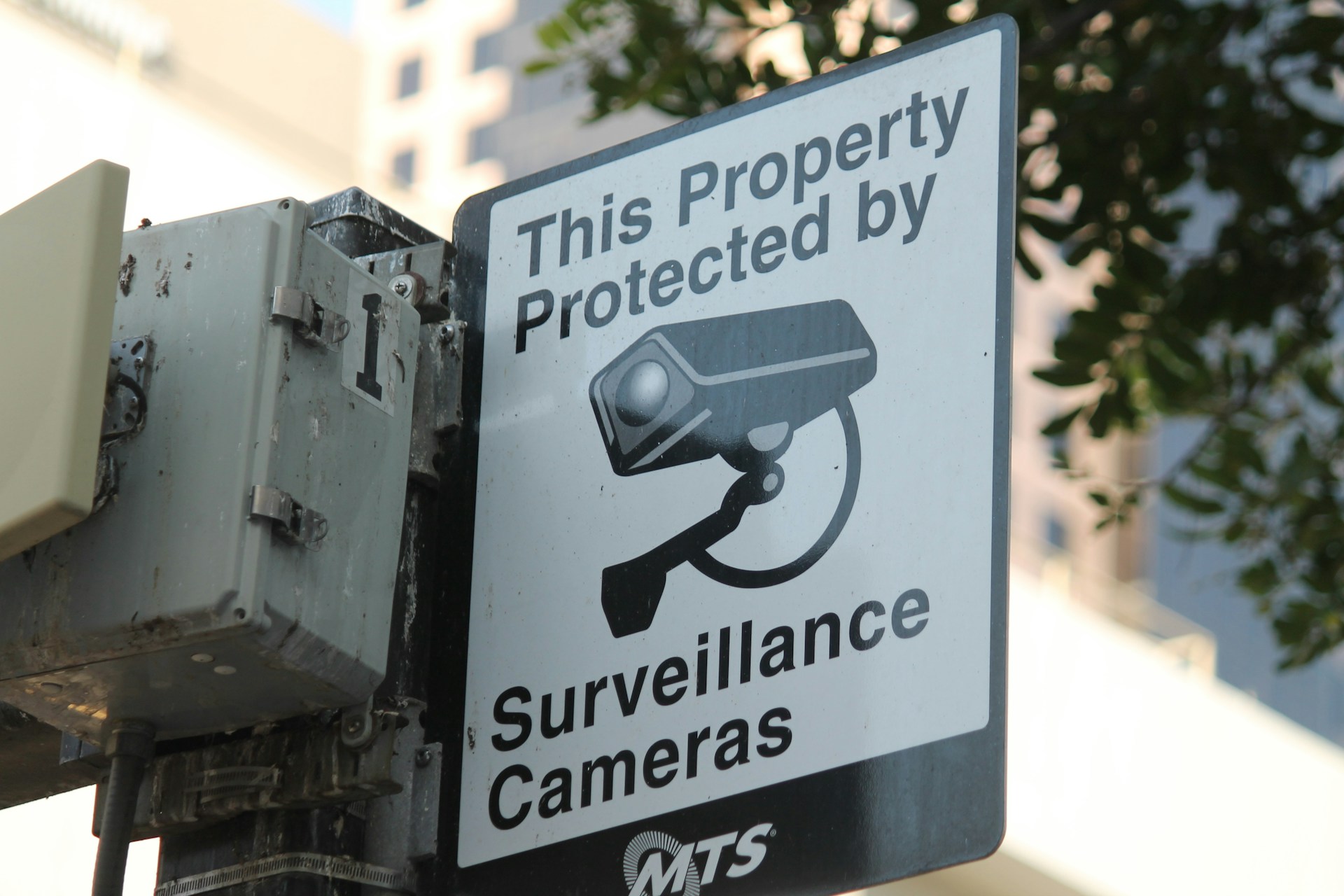
Surveillance is a quiet but powerful tool that insurance companies and defense attorneys use in Lancaster and nearby South Carolina communities. After a car crash, slip and fall, or work injury, you might expect the fight to take place in medical records and on legal paperwork. In reality, it can also play out in grainy photos, short video clips, and social media screenshots that are collected without you ever being told.
Insurers often hire private investigators to follow injured people, hoping to catch a moment that can be spun as proof that someone is not as hurt as they claim. Common tactics include:
- Taking photos or video outside your home or workplace
- Following you as you run errands or attend appointments
- Monitoring public social media accounts and tagged photos
- Talking to neighbors or co-workers about your activities
Even people who are completely honest about their injuries can be made to look dishonest through misleading surveillance. A Lancaster or Beaufort injury lawyer can help you understand how these tactics work, how to avoid common traps, and how to put any surveillance evidence into proper medical and legal context.
Why Insurance Companies Rely on Photos and Video
Insurance companies are in the business of paying as little as possible on claims. Surveillance is one of the tools they use to try to limit what they have to pay on Lancaster injury claims.
The goals of surveillance usually include:
- Suggesting your injuries are not as serious as reported
- Arguing that you can return to work sooner than your doctor recommends
- Claiming you are exaggerating pain, limitations, or emotional distress
- Undermining your credibility so a jury or adjuster doubts your entire story
Insurers tend to order surveillance at key points in a case, such as:
- Right before a recorded statement or examination under oath
- In the weeks leading up to an independent medical exam requested by the insurance company
- Shortly before a deposition
- As settlement talks, mediation, or trial approach
A few seconds of video can be very misleading. For example, a clip of you carrying one bag of groceries to your car might be shown without any proof that you needed to lie down for the rest of the day afterward. Or a short video of you attending a family gathering can be used to suggest you are socially active and pain-free, even if you were struggling the whole time.
This is why it is so important that you talk openly with your lawyer about what you can and cannot do on a typical day. When a Beaufort injury lawyer or Lancaster attorney has a clear picture of your symptoms and limitations, we can better explain to an adjuster or juror why a short video clip does not tell the full story.
What Investigators Can and Cannot Legally Do
Many clients want to know what is actually allowed under South Carolina law when it comes to surveillance. In general, if you are in public, you should assume you can be filmed or photographed.
Investigators usually may:
- Follow you on public streets or in public places
- Film or photograph you in parking lots, stores, sidewalks, and parks
- Record you outside your home, as long as they remain in a public place
- Monitor social media posts that are public or shared by others
There are also important limits. You generally have a right to privacy in certain spaces. Investigators may not:
- Trespass onto your property to record through your windows
- Secretly film you inside your home, where you have a reasonable expectation of privacy
- Record audio or video inside medical offices, treatment rooms, or restrooms
- Harass or threaten you or your family
If surveillance crosses these lines, a South Carolina injury lawyer can ask a judge to keep that evidence out of your case or highlight the improper conduct to undermine the defense. A Beaufort injury lawyer or Lancaster attorney who is familiar with local courts can evaluate whether surveillance was obtained legally and how aggressive investigators have been in your specific situation.
How Surveillance Evidence Can Be Used Against You
Defense lawyers know that photos and video can be persuasive, even when they do not show the whole truth. During settlement negotiations or at trial, they may play clips or show still images to suggest you are less injured than your medical records indicate.
Common “gotcha” surveillance examples include:
- Carrying grocery bags or a laundry basket
- Lifting a child or pet into a car
- Walking a short distance without a cane or brace
- Bending or twisting for a brief task
- Appearing to enjoy a social event or smiling in photos
Without medical context, these moments can be twisted into arguments that you must be fine because you are active. What the jury does not see is how carefully you planned those few minutes of activity, how much pain you felt afterward, or the help you needed later.
Surveillance also gets powerful when combined with inconsistent statements. Problems can arise if:
- Social media posts describe you as “totally fine” when your medical records show ongoing pain
- You told an adjuster you never lift anything, but a video shows you lifting something light one time
- You downplayed your symptoms to friends online, then tried to fully explain them in a deposition
These gaps can damage your credibility and lower the value of your Lancaster injury claim. Part of our job is to prepare you for how your words and actions might be compared with surveillance and to help you stay consistent and truthful every step of the way.
Smart Steps to Protect Yourself After an Accident
Once you know surveillance is possible, you can take simple, practical steps to protect yourself and your claim.
We often suggest that injured people:
- Assume they could be observed any time they are in public while the claim is active
- Follow all medical restrictions and your doctor’s orders, even when you feel tempted to test your limits
- Move carefully and avoid activities your doctor has not cleared, even if it feels manageable for a moment
Social media is another major source of “evidence” for insurance companies. It is wise to:
- Limit or pause posting until your claim is resolved
- Avoid discussing the accident, your injuries, or your case online
- Skip posts about vacations, parties, heavy chores, or new hobbies
- Decline friend requests or messages from people you do not recognize
It also helps to keep a simple pain journal where you note:
- Your daily pain levels
- Activities that are difficult or impossible
- Flare-ups, bad nights of sleep, or missed events because of your injury
Sharing this information with your doctor and your lawyer keeps everyone on the same page. If an investigator captures a short clip of you on a “good day,” a Beaufort injury lawyer or Lancaster injury attorney can point to your pain journal and medical records to show that your rare good moment does not erase months of serious limitations.
How a South Carolina Injury Lawyer Can Fight Back
Surveillance does not have to sink your case. An experienced South Carolina injury lawyer can address these tactics head-on.
We can:
- Request copies of any surveillance footage so we can review it in full, not just the snippets the defense wants to highlight
- Compare the clips to your medical records and daily pain journal
- Work with your treating doctors or other experts to explain why short bursts of activity do not equal full recovery
In many cases, a doctor can explain that people with chronic pain or orthopedic injuries may have occasional good days or push through a task and then pay for it with increased pain later. Judges and juries are often receptive when they hear a clear medical explanation that fits what they see on the screen.
We can also challenge surveillance that is misleading or illegally obtained. If investigators overstep, we can ask the court to limit how that evidence is used or to exclude it altogether. By telling the full story, we aim to show decision makers what life with chronic pain, flare-ups, and long-term restrictions really looks like for injured people in Lancaster, Beaufort, Rock Hill, and other South Carolina communities.
For anyone pursuing an injury claim, the goal is not to live in fear of being watched. It is to live honestly, follow your medical advice, be consistent in what you say and do, and work with a lawyer who understands how to confront surveillance with clear facts and strong advocacy.
Protect Your Rights After a Serious Injury Today
If you were hurt by a dangerous or defective product, you do not have to figure out your options alone. A dedicated Beaufort injury lawyer from Schiller & Hamilton Law Firm can explain your legal rights and handle every step of your claim. We will review what happened, gather evidence, and pursue the compensation you need to move forward. To get started, reach out to us through our contact page so we can review your case.