 803-902-4583


How Charleston Bus Crash Victims Can Protect Their Future
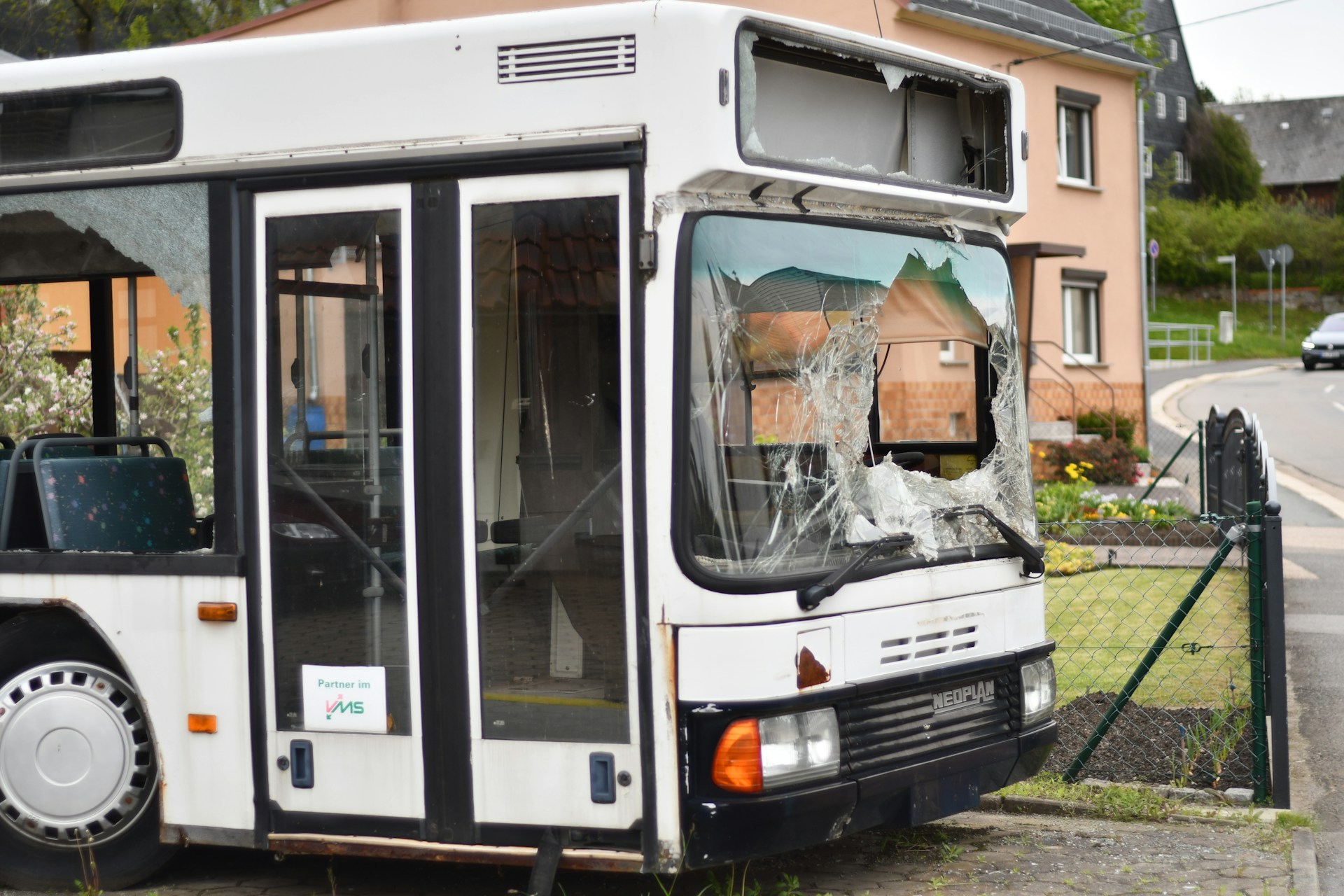
Bus travel is part of everyday life around Charleston. People ride CARTA to work, use shuttles to reach cruise ships, send kids on school trips, and fill tour and charter buses headed to beaches and historic sites. When roads fill up, the chance of a serious bus crash goes up too.
A bus accident is not like a simple fender bender. There are more people involved, more possible causes, and a higher risk of life-changing injuries. On top of that, different insurance companies and rules may apply, depending on who owns and operates the bus.
In this post, we explain how a bus accident lawyer in Charleston, SC, can help you deal with insurance issues, document long-term injury costs, and seek the full amount you may deserve so you can focus on healing and your future.
Why Bus Accidents in Charleston Are Uniquely Complex
Not all buses are treated the same under the law. Around Charleston, serious wrecks can involve several different types of buses, including public transit buses like CARTA, school buses carrying children to class or events, tour buses bringing visitors to the Battery or local plantations, church or nonprofit buses for group outings, and private charter or shuttle buses serving hotels, cruise ports, or the airport.
Each of these can come with its own set of rules, insurance coverages, and procedures. For example, public or school buses may be tied to government bodies, while private tour or charter buses are usually owned by companies or organizations.
There can also be many different parties who may share responsibility. Depending on the facts, that may include the bus driver, the bus company or tour operator, a school district or church, maintenance or repair contractors, the company that trained or supervised the driver, other drivers who caused or contributed to the crash, and, in some cases, a local or state government entity.
Legal challenges can build up quickly. Some claims involving government-owned buses have short notice deadlines, which means you might have to give formal notice much sooner than a normal injury claim. There are also layers of federal and state safety rules that may apply to bus drivers, vehicle inspections, and hours of service.
Evidence is another big issue. Video footage can be recorded over. Bus data recorders can be reset. Witnesses can be hard to track down after tourist season. Acting quickly is often key to protecting your rights.
Hidden Long-Term Costs After a Bus Crash
When a bus crashes, passengers may be thrown from their seats, hit by loose items, or slammed into metal bars and windows. These impacts can lead to serious injuries that do not heal in a few weeks.
Common long-term injuries from bus collisions can include:
– Traumatic brain injuries and concussions
– Spinal cord damage and paralysis
– Chronic neck, back, and shoulder pain
– Joint injuries to knees, hips, and wrists
– PTSD, anxiety, depression, or sleep problems
The true cost of these injuries often shows up slowly. Many people face a long list of ongoing needs after the initial emergency care, such as continued medical visits and physical therapy, future surgeries or injections, long-term prescription medications, wheelchairs, braces, or other medical equipment, changes to the home like ramps or bathroom changes, and in-home help or long-term caregiving.
There are less obvious losses too. You may not be able to work the same hours, do the same job, or pursue the same career path. That can reduce your lifetime earning capacity, not just your next paycheck. You might miss out on promotions or bonuses, overtime or side work, and training or education that leads to higher pay.
Quality of life matters as well. If you loved walking the Battery, kayaking in the harbor, or exploring local parks with your family, long-term injuries can take those joys away or make them much harder. Strain on family life, stress in close relationships, and the emotional weight of chronic pain often do not show up in simple medical bills, but they are very real losses.
Building a Strong Charleston Bus Injury Claim
Right after a bus crash, you may feel overwhelmed and unsure what to do. A few clear steps can help protect your health and any future claim.
After a crash, it is usually wise to:
– Get medical care right away, even if you feel “okay” at first
– Report the crash to police or the bus operator and make sure your name is listed as a passenger
– Take photos or videos of the scene and your injuries, if you can safely do so
– Keep a daily record of pain levels, symptoms, and how injuries affect your day
– Save every bill, receipt, and letter related to the crash
Strong bus accident cases often rely on detailed evidence. That evidence may include bus surveillance footage and video from nearby buildings, data from the bus recorder (if available), driver logs and training records, maintenance and inspection records, passenger and bystander witness statements, and photos of vehicle damage, skid marks, and road conditions.
To show long-term costs, lawyers often work with medical experts and other professionals. These experts can help create:
– Life-care plans that map out future treatment and support
– Medical opinions on how long injuries may last or if they are permanent
– Vocational assessments that look at what work you can still do
– Financial projections of lost income and benefits over time
All of this can help paint a clear picture of how the crash changed your life, not just what you paid in the first few weeks.
How a Bus Accident Lawyer in Charleston, SC Can Help
Local experience often makes a difference in bus cases. A lawyer who works in the Charleston area is more likely to understand common bus routes and busy intersections, local bus, tour, and charter operators, nearby medical providers and rehab options, how local courts tend to handle injury cases, and the mix of state and federal rules that can apply to buses.
A bus accident lawyer in Charleston, SC typically helps by:
– Handling all talks with insurance companies and adjusters
– Performing an independent investigation of the crash
– Working to preserve key evidence before it disappears
– Identifying all possible sources of compensation
– Negotiating for a settlement that takes long-term needs into account
– Preparing cases for trial if fair agreements cannot be reached
At Schiller & Hamilton Law Firm, we focus on client-centered support. That means we take time to listen, explain each step in plain language, and help you stay organized with medical records and paperwork. We help clients prepare for recorded statements, mediations, and, when needed, court hearings so they are not walking into anything alone or confused.
Steps to Take Now to Protect Your Bus Injury Claim
If you or a loved one was hurt in a Charleston bus accident, small choices in the days and weeks that follow can have a big impact later.
Here is a simple checklist to help protect your claim:
– Seek medical attention as soon as possible
– Follow your treatment plan and attend follow-up visits
– Keep copies of all records, bills, and receipts
– Do not post details about the crash or your injuries on social media
– Do not give written or recorded statements to any insurer without legal advice
– Do not sign releases, waivers, or settlements before you understand your rights
Talking with an injury lawyer early can help you avoid missed deadlines, protect key evidence during busy travel months, and push back against low offers that ignore the long-term costs of your injuries. A careful review of your situation can help you better understand the road ahead and what options you may have for seeking compensation for your medical care, lost income, and the long-term impact on your life.
Take The First Step Toward Your Recovery Today
If you were hurt in a bus collision, our team at Schiller & Hamilton Law Firm is ready to review what happened and explain your legal options. A dedicated bus accident lawyer in Charleston, SC can handle the insurance companies and legal details while you focus on healing. We will listen to your story, answer your questions, and outline a strategy tailored to your situation. To schedule a confidential consultation, please contact us today.