 803-902-4583


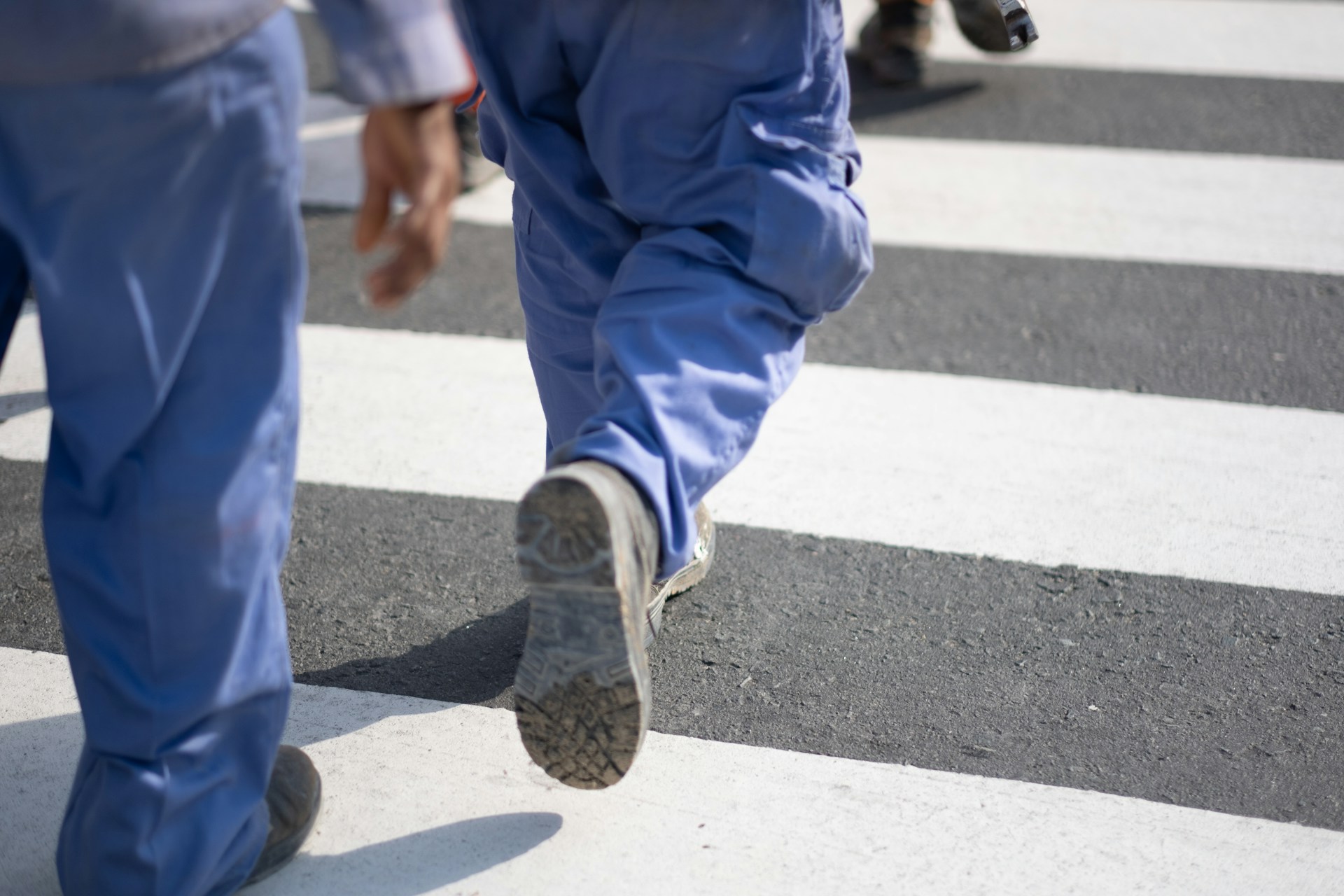
When a car hits a person in a crosswalk, there is often confusion about what really happened. Drivers may blame the pedestrian, witnesses may disagree, and memories can blur quickly. Crosswalk and intersection cameras can make a big difference, because they show the crash itself instead of relying only on what people remember.
In Charleston, a city with busy intersections, tourists on foot, and a lot of traffic near the historic district and waterfront, these cameras play a big role in many pedestrian injury cases. We want to explain how they work, why they matter, and how a pedestrian injury lawyer in Charleston can use them to support a claim for compensation after a serious crash.
How Crosswalk Cameras Can Strengthen Your Injury Claim
Crosswalk and intersection cameras are devices set up near traffic signals, crosswalks, and busy corners. Some are run by the city or state transportation agencies, and others belong to nearby businesses or property owners. During busy times, including popular tourist seasons, they often record serious crashes that happen when people are crossing the street.
Video can be powerful because it can show the actual sequence of events, capture how fast a car was moving and show when it entered the crosswalk, record the color of the traffic light or walk signal, and cut through conflicting stories about who had the right of way.
Witnesses can be helpful, but people get scared, distracted, or confused in a crash. They may not remember exact times, distances, or speeds. A clear video clip often carries more weight with insurance companies, judges, and juries, because it is direct, visual proof.
A pedestrian injury lawyer in Charleston can:
- Track down where cameras might be located
- Move quickly to request and preserve the footage
- Analyze the video frame by frame with experts
- Use the footage to build a detailed picture of what happened
Where Crosswalk Cameras Are in Charleston and What They Capture
In Charleston, cameras are common in high-traffic areas where cars, bikes, and walkers mix. You may see them in places like:
- Busy downtown intersections and one-way streets
- Crosswalks near the waterfront and historic attractions
- School zones and areas with many students walking
- Major roadways that feed into the city
Beyond traffic cameras, many other devices may have recorded a crash. This can include security cameras on nearby storefronts, hotels, or parking garages; home security and doorbell cameras near residential streets; and dash cams from cars, rideshares, or delivery vehicles parked nearby.
These cameras can capture important details, including:
- Whether the traffic light was red, yellow, or green
- Timing of the walk signal and pedestrian movement
- The direction and speed of the car before impact
- Driver behavior, such as failing to slow down or turn safely
They usually do not provide:
- Clear audio of conversations or horn use
- Every possible angle of the crash
- Perfect lighting at night or in bad weather
Even with gaps, a short clip can still be very helpful when combined with other evidence.
Acting Fast to Preserve Critical Video Evidence
One of the biggest issues with camera evidence is time. Many systems automatically record over old footage. Some store video for only a short period, sometimes just days or weeks. If action is not taken quickly, important video can be lost forever.
That is why fast steps after a pedestrian crash are so important. A lawyer can:
- Send letters asking that footage be preserved before it is erased
- Request video from the city or transportation departments
- Contact businesses or homeowners who may have private cameras
- Work with experts to download, store, and back up the footage correctly
Injured pedestrians and families can help protect evidence in the first hours and days by:
- Calling 911 so police create an official report
- Looking around and noting where cameras might be located
- Writing down or taking photos of nearby businesses or homes with cameras
- Getting names and contact information for witnesses
- Getting prompt medical care so injuries are documented early
These steps give a pedestrian injury lawyer in Charleston a stronger starting point when they begin their investigation.
Using Camera Footage to Prove Fault and Damages
Video can be a powerful tool to show a driver was careless. Footage may reveal:
- A driver speeding toward a crosswalk
- A car running a red light or stop sign
- A driver failing to yield while a walk signal is on
- A sudden swerve that suggests distracted driving
South Carolina uses a comparative negligence system, which means fault can be shared between the driver and the pedestrian. Insurance companies often argue the pedestrian stepped out too quickly, crossed against the signal, or was not paying attention. Video can help push back on those claims by showing the pedestrian entered the crosswalk when it was safe, the driver had enough time to see and respond, and the pedestrian was already well into the crosswalk when hit.
Footage is also important when proving damages. When we combine video with:
- Medical records and doctor notes
- Photos of the scene and injuries
- Opinions from accident reconstruction and medical experts
we can tell a clear story about how the crash happened and how serious the harm really is. This helps support claims for medical costs, lost income, and pain and suffering after a pedestrian injury.
Common Challenges with Crosswalk Camera Evidence
Camera evidence is helpful, but it is not always simple to use. Some common challenges include:
- Limits on access to government-controlled footage
- Privacy concerns when homes and private property appear in the clip
- Footage that is blurry, dark, or blocked by other vehicles
- Systems that only take still images instead of full video
There are also legal rules about how video is collected and presented. To use footage in settlement talks or in court, a lawyer must be able to show where the video came from, who had access to it along the way, and that it was not edited or changed. This is called maintaining the chain of custody and proving authenticity, and attorneys often work with digital forensic or video experts to meet these standards.
Insurance companies sometimes try to twist what is on the video. They may focus on a single frame to argue the pedestrian stepped off the curb too suddenly, or they may ignore parts of the clip that show the driver was not paying attention. An experienced Charleston attorney can slow the video down, explain the full context, and counter these arguments.
How a Charleston Lawyer Builds a Camera-Backed Case
When a pedestrian injury lawyer in Charleston takes on a case involving possible camera footage, the investigation usually follows several steps:
- Visiting the crash scene in person
- Mapping all nearby cameras on streets, buildings, and homes
- Requesting and collecting as much video as possible
- Working with accident reconstruction experts to analyze the footage
We then compare what the cameras show with witness statements, police reports, and physical evidence like skid marks or vehicle damage to develop the most accurate picture of how the crash occurred.
A strong video clip can be a powerful tool in settlement talks with insurance companies. Seeing a car run a red light or strike someone in a clearly marked crosswalk is often more persuasive than any written description, so lawyers may use short, clear clips to show liability and press for a fair resolution.
If the case goes to court, the same footage can be shown to a jury. Attorneys prepare jurors ahead of time, explain what they will see, and walk through the video slowly so every key detail is understood and trusted.
Protect Your Rights After a Crosswalk Injury in Charleston
Fast action to secure crosswalk camera footage can make a big difference in the outcome of a Charleston pedestrian injury claim. Video can help answer the key questions of who had the right of way, how fast the driver was going, and whether the pedestrian was crossing safely.
If you or a loved one are hurt in a crosswalk, try to notice cameras, get witness information, and focus on getting medical care. From there, a pedestrian injury lawyer in Charleston, like our team at Schiller & Hamilton Law Firm, can take on the hard work of finding, preserving, and using camera evidence while you focus on healing.
Protect Your Rights After a Pedestrian Accident
If you were hurt while walking in Charleston, you do not have to navigate the legal and insurance process alone. A dedicated pedestrian injury lawyer in Charleston at Schiller & Hamilton Law Firm can review your situation, explain your options, and help you pursue fair compensation. We are ready to listen, answer your questions, and take on the legal work so you can focus on healing. To get started, please contact us for a free consultation.