 803-902-4583


Using Phone Evidence to Protect Your Rights After a Crash
When a driver in Charleston is hit by someone who drifts across the center line, it often seems obvious that the other driver was looking at a phone. Then the police arrive, the other driver insists they were paying full attention, and there is no clear proof at the scene. Without solid evidence, an insurance company may treat it as just another word-against-word collision.
That is where phone records can make a difference. Proving distracted driving is rarely simple. Even when skid marks, vehicle positions, and witness statements suggest the other driver was texting, insurers often say there is not enough proof. As a car accident lawyer in Charleston, SC, we know how powerful phone records can be in backing up your story and showing what was really happening in the moments before impact.
In this article, we explain how distracted driving claims work, what phone data can show, how that data is obtained, and how it may affect the value of a personal injury case after a motor vehicle crash.
How Distracted Driving Claims Work in South Carolina
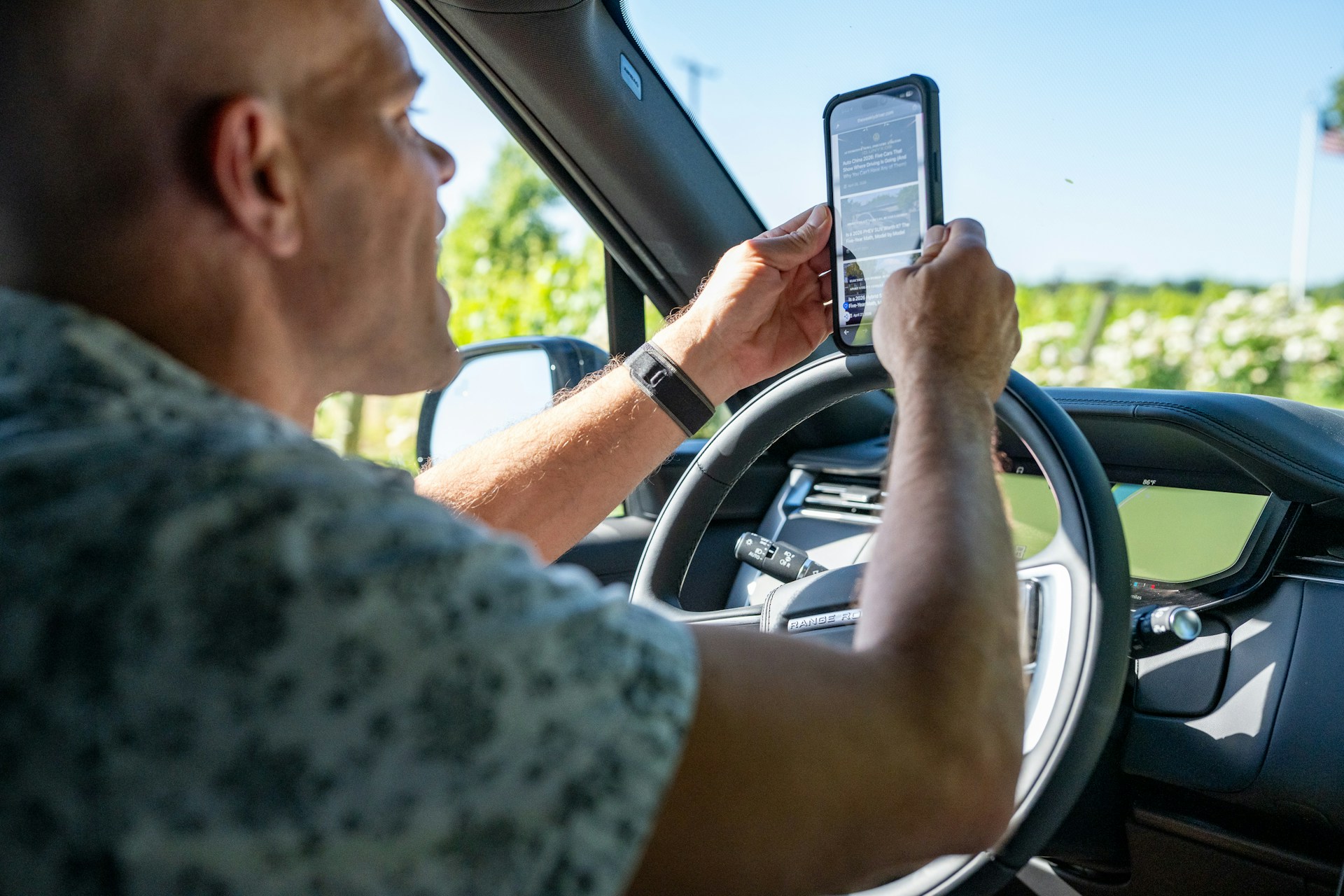
Distracted driving covers anything that takes a driver’s eyes, hands, or mind away from the road. These days, cell phones are one of the biggest sources of distraction, especially in busy traffic around Charleston.
Common forms of phone distraction include:
- Texting or reading messages
- Scrolling social media feeds
- Manually entering directions into GPS apps
- Making or answering calls by hand
- Watching videos or browsing the internet
South Carolina has laws that limit certain types of phone use behind the wheel, including texting. If a driver violates those rules and causes a crash, that behavior can be used as evidence that they were not acting as a reasonably careful driver would.
In a personal injury case, we usually need to prove negligence. That means showing:
- The other driver had a duty to drive safely.
- They breached that duty, for example by focusing on a phone instead of the road.
- That breach directly led to the collision.
- You suffered damages, such as medical expenses, lost income, and pain and suffering.
Insurance companies look closely at fault because it determines who pays and how much. When a claim involves suspected distraction, insurers often argue there is no clear proof that the at-fault driver was on the phone at the exact time of the crash. Without strong evidence, they may:
- Deny that distraction occurred at all
- Blame you for “stopping suddenly” or “failing to avoid” the collision
- Offer a lower settlement because they say liability is unclear
That is why targeted evidence of phone use can carry so much weight in a Charleston car accident case.
What Phone Records Can Reveal About Driver Distraction
Phone records are not just about reading private texts. They include a range of technical information that can help show when and how a phone was in use.
Potentially useful data can include:
- Call logs and durations
- Text message timestamps and delivery records
- App activity timestamps, including social media and messaging apps
- Data connection activity related to usage at certain times
When we compare phone timestamps with the known time of the crash, details in the police report, and witness accounts, a pattern may emerge. For example, if a driver’s phone shows an outgoing text one or two minutes before a rear-end collision, and witnesses saw that car fail to slow down for stopped traffic, it supports an argument that the driver was looking at their phone rather than the road.
Often, the content of the messages is less important than the timing. Just establishing that a phone was in active use right before impact can help a jury or adjuster draw reasonable conclusions about distraction.
We also understand that privacy matters. Courts and lawyers must balance the need for evidence with respect for personal information. That usually means:
- Requesting records only for a limited time window around the collision
- Focusing on logs and timestamps instead of full message content when possible
- Using court-approved processes for reviewing and sharing any sensitive material
This approach helps protect privacy while still allowing injured people to access the records they need to prove how a crash happened.
How Your Lawyer Obtains and Uses Phone Records
Phone records are not something you can usually access on your own for another driver. A car accident lawyer in Charleston, SC uses legal tools to request these records in a way that courts and carriers recognize.
Here is how the process typically works:
- We identify whether distraction is likely, based on your description, witness statements, and the crash report.
- During a lawsuit, we request records through formal discovery or subpoenas directed to the at-fault driver’s phone carrier or, sometimes, specific apps.
- In some cases, we work with digital forensics professionals to review data from phones or vehicle systems when that evidence is available.
Phone data is rarely viewed in isolation. To build a clear story about what happened, we may combine it with:
- Skid mark patterns and road debris
- Photographs of vehicle damage and final resting positions
- Event data recorder or “black box” information about speed and braking
- Traffic or surveillance camera footage, if any exists
When all of these pieces are put together, they can create a timeline showing that the other driver failed to brake, abruptly drifted into another lane, or never responded to traffic signals because their attention was on a device.
A key part of our job is to translate this technical material into plain language that a judge, jury, or insurance adjuster can understand. That means telling a clear story: where the vehicles were, what each driver was doing, and how the phone activity lines up with the moment things went wrong.
Proving Fault and Maximizing Compensation with Phone Evidence
In many motor vehicle accident cases, both drivers tell different stories. Strong phone evidence can tip the balance when those stories conflict.
By showing that the other driver was distracted at the time of the crash, we can:
- Strengthen the argument that they were primarily at fault
- Undercut claims that you stopped suddenly or “came out of nowhere”
- Make it harder for the insurer to deny responsibility
This can directly influence the settlement value of your claim. When liability is clear and backed by objective data, insurers often have less room to argue. That can improve your chances of fair compensation for:
- Emergency care and ongoing medical treatment
- Lost wages or reduced earning capacity
- Pain, suffering, and loss of enjoyment of life
- Long-term limitations or disabilities related to your injuries
South Carolina uses a form of comparative negligence. That means the insurance company may argue you share a portion of fault to reduce what they pay. If they claim you were mostly to blame, strong evidence of the other driver’s phone use can help counter those arguments and show where the real responsibility lies.
Phone logs, camera footage, and electronic vehicle data are often time-sensitive. Carriers may not keep certain records forever, and digital information can be overwritten. Acting quickly after a crash helps preserve the evidence that can support your case.
When to Call a Car Accident Lawyer in Charleston, SC
If you were hurt in a Charleston collision and suspect the other driver was texting, scrolling, or otherwise distracted by a phone, speaking with a car accident lawyer in Charleston, SC early can be important. The sooner an attorney gets involved, the more options there may be to secure phone records and other key proof before it is lost.
When you meet with a lawyer, it helps to bring:
- A copy of the crash report, once it is available
- Photos or videos of the scene, vehicles, and your injuries
- Medical records, bills, and information about missed work
- Names and contact information for any witnesses
- Your own phone records around the time of the wreck, if you have them
Working with a local attorney who regularly handles motor vehicle accident cases in communities like Charleston, Rock Hill, Lancaster, and Beaufort means you have someone familiar with local roads, courts, and insurers on your side. They can guide the investigation, protect important evidence, and explain how phone records and other proof fit into your personal injury claim.
Protect Your Rights After a Charleston Car Accident
If you were hurt in a crash, you do not have to figure out your next steps alone. Our team at Schiller & Hamilton Law Firm is ready to review what happened, explain your options, and take on the insurance company for you. Speak with a dedicated car accident lawyer in Charleston, SC to learn what your claim may be worth and how we can help pursue it. To get started, simply contact us for a free consultation.