 803-902-4583


Why Proving Drunk Driving Matters in a Charleston Crash Case
When a drunk driver causes a crash in Charleston, it is not just a criminal issue. Alcohol impairment also plays a major role in any civil personal injury claim that follows. Proving intoxication can affect who is held responsible, how strongly fault is established, and how much compensation may be available.
In a South Carolina motor vehicle injury case, we generally have to show four elements: duty, breach, causation, and damages. Every driver has a duty to act with reasonable care. Driving while impaired is a clear breach of that duty. If we can connect that breach to the collision and your injuries, and document your financial and physical losses, we have the building blocks of a strong claim.
Evidence that the at‑fault driver was drunk can make it easier to show not only negligence, but in some cases reckless conduct. That can change how a jury views the case and how insurers value it. An experienced auto accident lawyer in Charleston, SC can step in early to identify, collect, and preserve the drunk driving evidence that might otherwise disappear.
Key Types of Drunk Driving Evidence After a Collision
After a serious crash, there are often many pieces of information that point to alcohol impairment. Collecting them quickly is important, because some of this material is time-sensitive.
Police and investigative reports are usually a starting point. These may include:
- The officer’s narrative describing the scene, vehicle positions, and road conditions
- Diagrams, measurements, and preliminary opinions about who caused the crash
- Notes about the odor of alcohol, slurred speech, glassy or bloodshot eyes, or unsteady walking
- Descriptions of open containers in the vehicle or admissions about drinking
When law enforcement conducts a more detailed crash investigation, those notes and diagrams can help show how impairment affected the driver’s behavior on the road. Skid marks, lack of braking, or obvious lane departures may match what we know about delayed reactions from drunk drivers.
Field sobriety and chemical tests are another key category. Standardized field sobriety tests, like walking in a straight line or standing on one leg, are used to gauge coordination and judgment. In a civil case, evidence that a driver failed these tests can support the argument that alcohol made them unsafe to drive. Breath tests and blood tests measuring blood alcohol content, often called BAC, can show whether a driver was over South Carolina’s legal limit for operating a vehicle.
Defense lawyers and insurers may try to challenge these tests by arguing that the equipment was not calibrated correctly, the test was given too late, or medical conditions influenced the results. That is why it is important to understand the timing of the test, how it was performed, and who administered it.
Witnesses, cameras, and digital records often fill in gaps the police report does not cover. Helpful evidence can include:
- Eyewitness reports of weaving, speeding, or running red lights
- Statements from people who saw the driver drinking at a bar or restaurant before the crash
- Surveillance or traffic camera video that shows the vehicle’s movements
- Dash cam or officer body cam footage from the stop and arrest
- Phone, rideshare, or credit card records that show when and where the driver was drinking
When we pull these sources together, they form a timeline that supports the claim that the driver was impaired at the time of the collision.
How Evidence of Intoxication Strengthens Liability and Damages
Strong drunk driving evidence often makes it easier to prove who caused the crash. If we can show that the other driver was speeding, drifting between lanes, or failing to brake in time, we can connect those errors to impaired judgment, and slower reaction times. This kind of proof can be especially important in South Carolina, where the at‑fault driver’s insurance company may try to argue that you share some of the blame.
By clearly documenting intoxication, we can push back against those arguments and reduce attempts to pin partial fault on you. When liability is clear, insurance adjusters are often more open to fair settlement talks instead of digging in on low offers.
Evidence of impairment can also help prove the full scope of your harm. We can:
- Show how reckless choices, like driving drunk at high speeds, led to a more violent impact
- Present expert testimony explaining how a reasonably careful, sober driver might have avoided or minimized the crash
- Highlight emotional and psychological injuries, such as anxiety or PTSD symptoms after being hit by a drunk driver
In some cases, evidence of grossly irresponsible conduct may open the door to punitive damages under South Carolina law. If a driver had an extremely high BAC or a history of prior DUI arrests, that pattern may influence how a jury views the case and how seriously insurers take your claim. When intoxication is well documented, insurance companies often recognize the risk of going to trial and become more inclined to discuss higher settlement numbers.
Practical Steps to Protect Drunk Driving Evidence After a Wreck
What you do right after a crash can have a major impact on the strength of the evidence later. At the scene, it helps to:
- Call 911 and tell the dispatcher if you suspect the other driver is drunk
- Ask for medical help if you are hurt, even if injuries seem minor at first
- Cooperate with officers, provide honest answers, and avoid confronting the other driver
- Take photos or video of vehicle damage, skid marks, traffic signals, and any visible alcohol containers
- Get contact information for any witnesses and note what they saw
In the days that follow, you can protect your claim by taking a few practical steps. Seek prompt medical evaluation, even if you think you can tough it out. Early treatment creates a clear record tying your injuries to the crash. Follow your doctor’s instructions and keep copies of all bills, prescriptions, and work notes.
Physical items, like damaged personal property, can also be useful. Save them instead of rushing to repair or throw things away. Writing down what you remember about the crash and the other driver’s behavior, including any comments about drinking, can help preserve details that fade with time. It is also wise to stay away from social media posts about the wreck, since insurers may try to use those against you.
From a legal standpoint, an auto accident lawyer in Charleston, SC can take additional steps to secure evidence. These might include:
- Sending preservation letters to bars, restaurants, or businesses that may have important video footage
- Using subpoenas and the formal discovery process to obtain BAC results, police body cam recordings, and prior driving records
- Working with toxicology and accident reconstruction experts to interpret technical data about impairment and crash mechanics
The sooner this process starts, the better the chance that important records will still be available.
Working with a Charleston Lawyer to Build a Stronger Claim
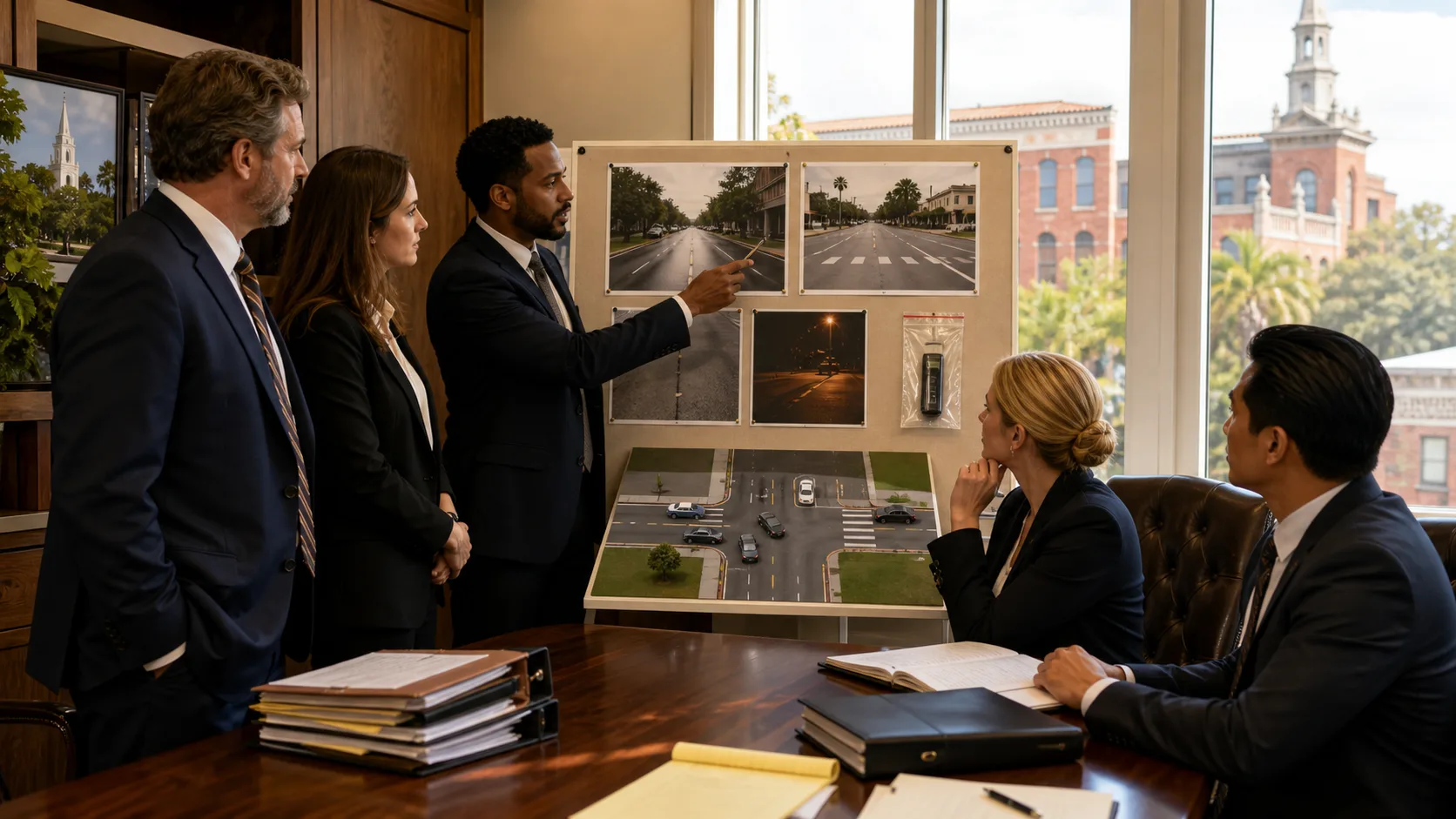
The police report is an important document, but it rarely tells the whole story. Our work often starts there, then goes deeper. We may investigate where the impaired driver was before the wreck, who served them alcohol, and how long they were on the road. We coordinate with witnesses, experts, and healthcare providers to connect the dots between the driver’s condition and the harm you suffered.
Insurance companies know that drunk driving can be powerful evidence. Even so, they may try to downplay intoxication or argue that your own actions contributed to the crash. When we present a clear record of impairment, we can challenge low settlement offers and stand firm when adjusters try to minimize your losses. Having a lawyer handle all communications helps you avoid statements that might be taken out of context.
Timing also makes a real difference. South Carolina has deadlines for filing motor vehicle accident injury claims, and waiting too long can limit your options. Video can be erased, businesses can overwrite footage, and witnesses can move away or forget details. Working with a local Charleston attorney who understands area courts, insurers, and procedures can help keep your case on track and evidence intact.
Turning Drunk Driving Proof Into a Fair Recovery
When we pull together police reports, test results, witness accounts, video, and digital records, we build a picture of what really happened and why. That picture can show fault clearly, support your version of events, and justify full compensation for medical care, lost income, pain, and long‑term effects.
Victims of drunk driving crashes do not have to sort through evidence rules or insurance tactics alone. A dedicated auto accident lawyer in Charleston, SC can take on the legal legwork so you can focus on healing, while your claim is built on the strongest proof available.
Take The Next Step Toward Your Recovery
If you were hurt in a crash, we are ready to listen to your story and explain your options. Speak with an experienced auto accident lawyer in Charleston, SC at Schiller & Hamilton Law Firm so you are not facing insurance companies alone. We can review your case, answer your questions, and outline a plan to pursue the compensation you deserve. To schedule a free consultation, simply contact us today.