 803-902-4583


Why Vehicle Recalls Matter After a Charleston Crash
After a serious crash on a Charleston roadway, most people focus on the other driver and the insurance companies. That makes sense, but there is another piece that can quietly shape your case: whether a recalled or defective vehicle part played a role. A recall issue can affect how the collision happened, how severe your injuries are, and who ultimately has to pay for your losses.
A vehicle recall happens when a manufacturer or the National Highway Traffic Safety Administration, or NHTSA, identifies a safety-related defect. These defects can contribute to rear-end collisions, rollover crashes, airbag failures, brake failures, and other dangerous situations on Lowcountry roads. A car accident lawyer in Charleston, SC, can review your case, look for recall red flags, and help determine if a defective part should be part of your claim.
Understanding Vehicle Recalls and Defective Auto Parts
To understand how recalls affect a car accident claim, it helps to know what they actually are. A safety recall is an official notice that a vehicle or part has a defect that creates an unreasonable risk of accidents or injuries. Recalls can be started by the automaker or required by NHTSA after investigations and consumer complaints.
There are two main categories you might hear about:
- Safety recalls, which involve defects that can affect crash risk or injury severity
- Service campaigns or customer satisfaction programs, which deal with non-safety issues or optional updates
In serious crash cases, some of the same types of components show up again and again in recall records, including:
- Airbags that fail to deploy or deploy with dangerous force
- Brake systems that lose pressure or respond unpredictably
- Steering components that lock or fail, causing loss of control
- Seat belts that unlatch, break, or do not restrain properly
- Ignition switches that shut the engine off unexpectedly
- Tires that experience tread separation or sudden blowouts
- Fuel systems that are more likely to leak or catch fire
Each of these parts comes with legal responsibilities. Automakers are generally responsible for designing safe vehicles and warning owners about defects. Parts manufacturers can share responsibility if their component is defective. In some situations, dealerships and repair shops may also have duties related to recall repairs or inspections.
How a Recall Can Change Fault and Liability in Your Claim
Most car accident claims start with one main question: which driver was at fault? When a recall is involved, that question can expand. A known defect may shift part of the responsibility from a driver to the vehicle manufacturer or the company that produced the faulty part.
Here are a few common scenarios:
- Defective brakes, where a driver rear-ends another car because the brakes did not respond the way they should have
- Faulty airbags, where an airbag fails to deploy or deploys in a dangerous way, making injuries far worse than they would have been
- Steering defects, where a driver suddenly loses control in a curve or lane change and cannot correct the vehicle
If a recall-related defect contributed to the crash, the manufacturer or parts maker could become an additional party in your claim. This does not necessarily release another driver from fault. Instead, it can add another layer of liability and another potential insurance source. That can matter a lot when injuries are severe, medical bills are high, and the at-fault driver’s coverage is not enough to cover the full extent of your damages.
Proving a Vehicle Recall Played a Role in the Crash
Showing that a recall exists is one thing. Proving that the defect actually impacted your collision is something else entirely. This is where investigation and evidence become especially important.
A car accident lawyer in Charleston, SC may:
- Run the vehicle identification number, or VIN, through recall databases
- Review NHTSA records and manufacturer bulletins tied to your make and model
- Look for dealer repair records and recall notices that were mailed or emailed to the owner
- Compare the vehicle’s history to what is known about similar recalled defects
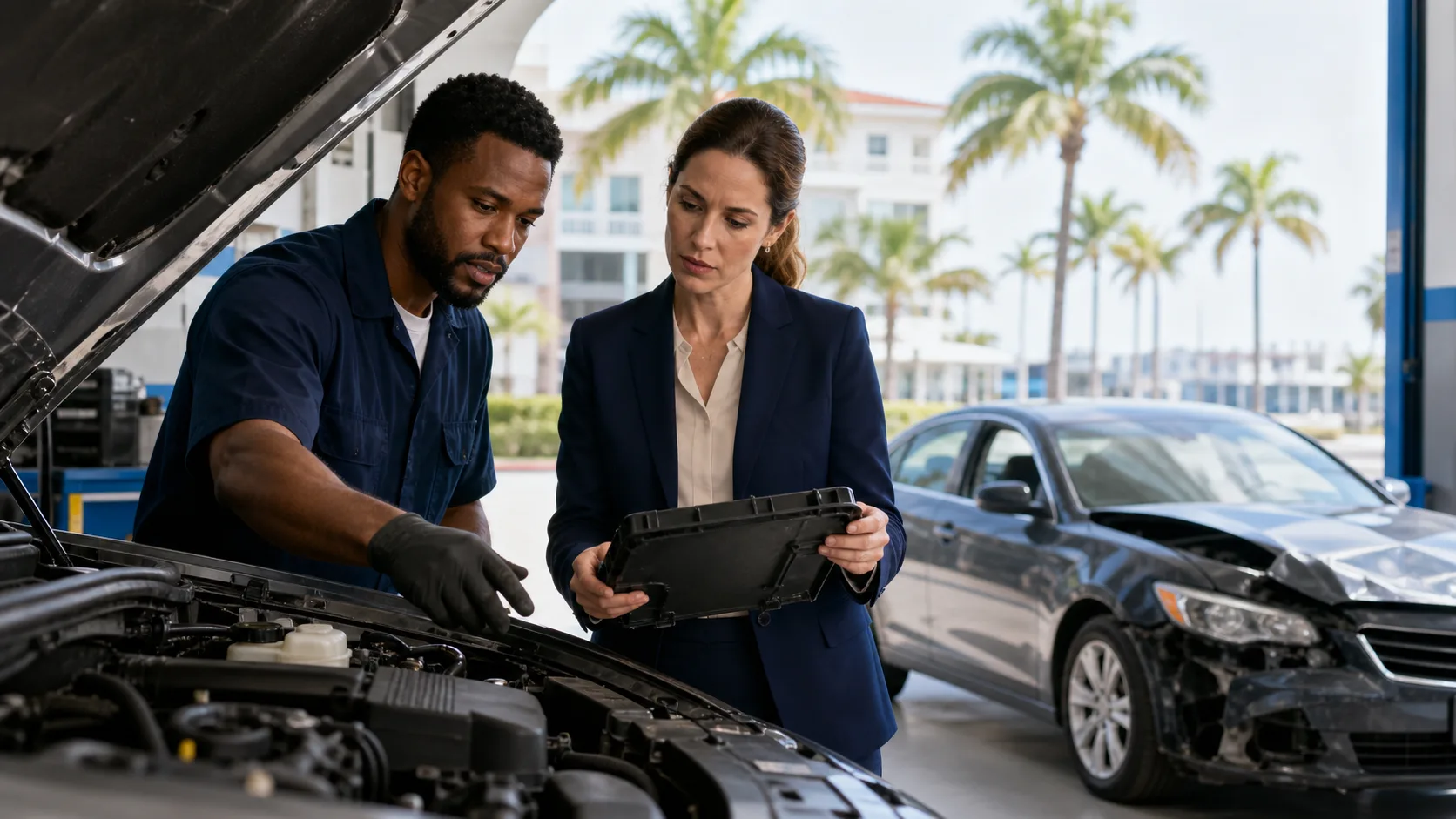
One critical step is preserving the vehicle after a serious wreck. If the car is quickly repaired, sold for scrap, or destroyed, it becomes much harder to inspect parts for defective patterns. Keeping the vehicle available for inspection gives experts a chance to examine the brakes, airbag modules, steering components, and other systems that may be connected to a recall.
Expert witnesses often play a central role here. Engineers and accident reconstructionists can:
- Analyze physical damage and electronic data from the vehicle
- Recreate how the crash likely occurred based on skid marks, impact points, and road conditions
- Connect known defects to the way the collision unfolded and the injuries that resulted
This link between the defect, the crash, and your injuries is what turns a recall from a background detail into a key part of your legal claim.
How Recalls Affect Insurance Negotiations and Case Value
Insurance companies tend to focus on minimizing what they have to pay. When a recall is involved, they may argue that the defect was not related to the crash or that the driver should have gotten the recall repair done sooner. That is why careful documentation and expert support can be so important.
If you can show that a recall-related defect played a meaningful role, it can change how your case is valued. A strong defect claim can affect compensation for:
- Emergency treatment and ongoing medical care
- Lost income and reduced ability to work in the future
- Pain and suffering and loss of enjoyment of life
- Long-term disability or permanent limitations
The presence of multiple liable parties, such as another driver, a vehicle manufacturer, and possibly a repair shop, also changes how negotiations and litigation unfold. Each party has its own insurer and lawyers, and each will try to limit fault. A clear strategy for dealing with these different players is essential to protecting your interests.
What to Do If You Suspect a Recall in Your Charleston Crash
If something about your collision or your vehicle’s behavior feels off, it is worth looking into possible recall issues early. Taking a few simple steps can help preserve your rights and important evidence.
You can:
- Use your VIN to check for open recalls on federal or manufacturer lookup tools
- Save any recall letters, emails, or dealer notices you have received
- Keep receipts and records from recall repairs or attempted repairs
- Avoid discarding or repairing potentially defective parts before speaking with a lawyer
It is also important to pay attention to timing. South Carolina has statutes of limitations that set deadlines for filing personal injury claims. Waiting too long can limit your options, especially if there is a need to inspect the vehicle, involve experts, and notify additional parties like manufacturers. Raising potential recall concerns early with a car accident lawyer in Charleston, SC gives your legal team a better chance to secure evidence and build the strongest possible case.
How a Charleston Car Accident Lawyer Can Help You Move Forward
When recalls and defective parts intersect with a serious crash, the legal issues often become more complicated than a typical two-car accident. At Schiller & Hamilton, we are focused on personal injury and motor vehicle accident claims, and we understand how product defects and recalls can influence fault and compensation.
Our role can include investigating recall issues, identifying every potentially liable party, and coordinating with qualified experts to analyze the vehicle and the crash itself. We handle communication with insurance companies and, when needed, with manufacturers and their representatives, so you are not left trying to sort that out on your own. By pulling together evidence about both driver error and possible defects, we work to present a claim that fully reflects how the collision happened and how it has affected your life.
Protect Your Rights After a Charleston Car Accident
If you have been hurt in a crash, our team at Schiller & Hamilton Law Firm is ready to review what happened and explain your legal options. A dedicated car accident lawyer in Charleston, SC can handle the insurance companies and legal details while you focus on healing. We will listen to your story, answer your questions, and outline a strategy tailored to your situation. To schedule a confidential consultation, please contact us today.