
 803-902-4583


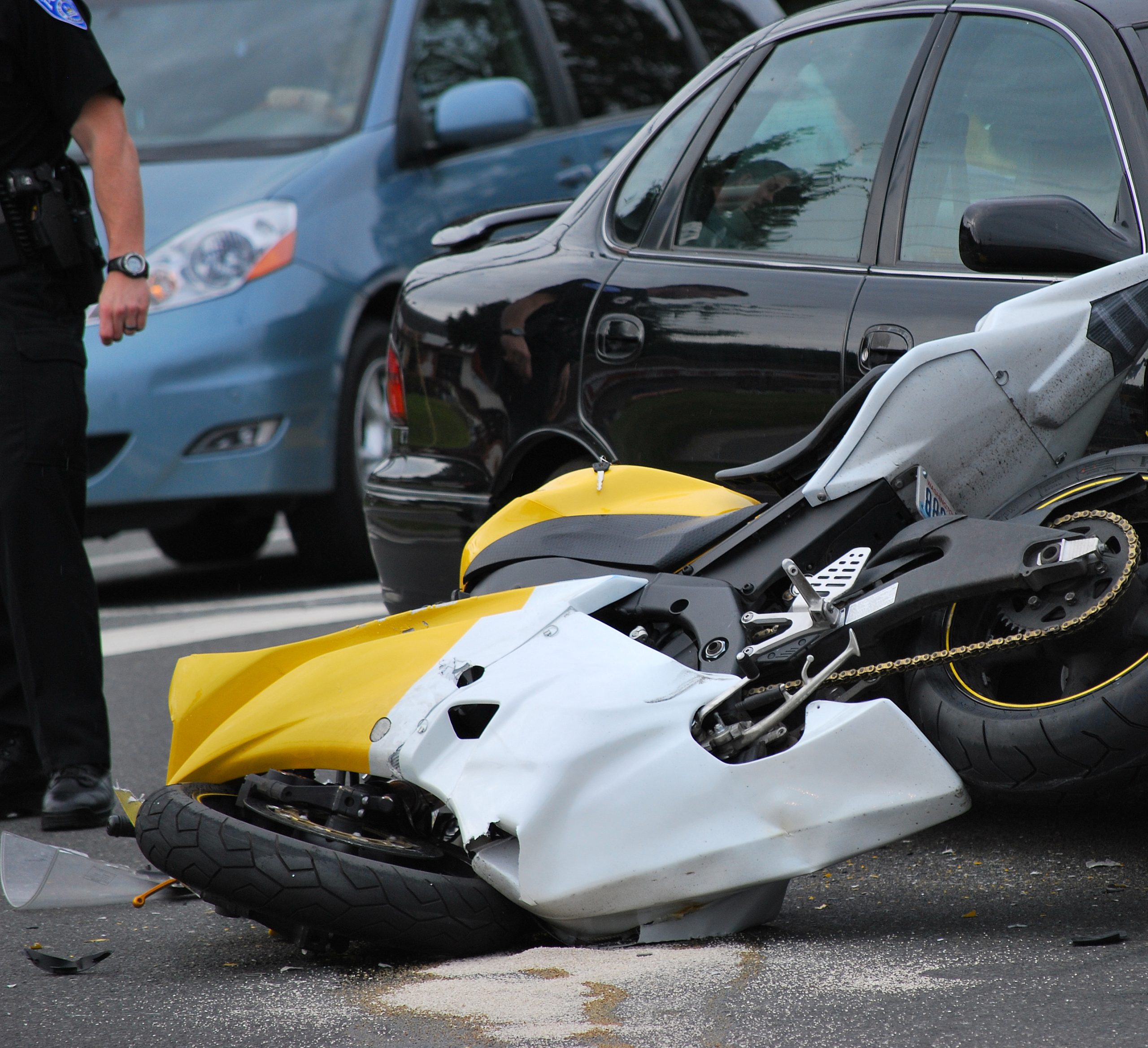
Motorcycle accidents in South Carolina are some of the most serious crashes on the road. Riders do not have the same protection as people in cars, so even a low-speed accident can lead to serious injuries. After a motorcycle accident, what happens next can affect both recovery and any insurance claim.
Many riders don’t realize how quickly insurance companies begin reviewing a case. Long before injuries are fully understood, decisions are already being made behind the scenes. That’s why early choices matter.
After a motorcycle accident, medical care should always come first. Even if injuries seem minor, getting checked by a medical professional is important. Motorcycle crashes often cause head injuries, spinal damage, internal injuries, or road rash that can become infected. Some symptoms may not show up right away, and waiting too long can make injuries worse and create problems with medical records later.
Calling law enforcement is also important. A police report creates an official record of what happened and may include witness statements, road conditions, and early fault details. Insurance companies often rely heavily on these reports when deciding how claims are handled.
If it is safe to do so, documenting the scene can help as well. Photos of vehicle damage, road debris, traffic signs, and visible injuries can provide useful details later. Motorcycle damage patterns can be especially important in showing how a crash happened.
What riders say after an accident also matters. It’s common to feel shaken or apologetic, but casual comments can be misunderstood. Insurance companies may later use these statements to argue fault or reduce compensation. Recorded statements are often requested early and can affect how a claim is valued.
Medical treatment and documentation play a major role in motorcycle accident claims. These injuries often require long recovery periods, multiple doctor visits, physical therapy, or even surgery. Insurance companies carefully review medical records to look for gaps in care or missed appointments. Any break in treatment may be used to argue that injuries were not serious.
Motorcycle accident claims are also affected by bias. Insurance companies often assume riders were speeding, weaving through traffic, or taking unnecessary risks. These assumptions are not proof, but they can influence how claims are handled. Strong evidence, such as witness statements, video footage, or vehicle damage analysis, helps counter these stereotypes and shows what actually happened.
Insurance companies often handle motorcycle accident claims cautiously. Early settlement offers are common, but they usually arrive before the full impact of injuries is known. These offers often focus on short-term costs and may not include future surgeries, long-term treatment, or lost earning ability. Once a settlement is accepted, the claim is usually closed permanently.
Insurers may also dispute the seriousness of injuries. They might argue that injuries were pre-existing or unrelated to the crash. Consistent medical records and clear treatment plans help protect against these arguments.
Fault can also affect compensation. Even when another driver caused the crash, insurance companies may try to shift partial blame to the rider. In states with comparative fault rules, this can reduce the amount paid.
Motorcycle accident compensation often includes both financial and personal losses. Financial losses may include medical bills, rehabilitation costs, missed work, and reduced future income. Personal losses may include pain, emotional stress, scarring, or permanent limitations. These personal impacts are often undervalued early in the process.
Motorcycle accident claims often take longer to resolve because injuries take time to heal and liability is frequently disputed. Settling too early can leave riders responsible for future medical and financial needs.
Motorcycle accidents can affect more than just physical health. Long-term pain, career changes, and emotional recovery are common. Taking time to understand the process and avoid rushed decisions can help protect both recovery and future stability.