 803-902-4583


Why Evidence After a Charleston Bus Crash Matters
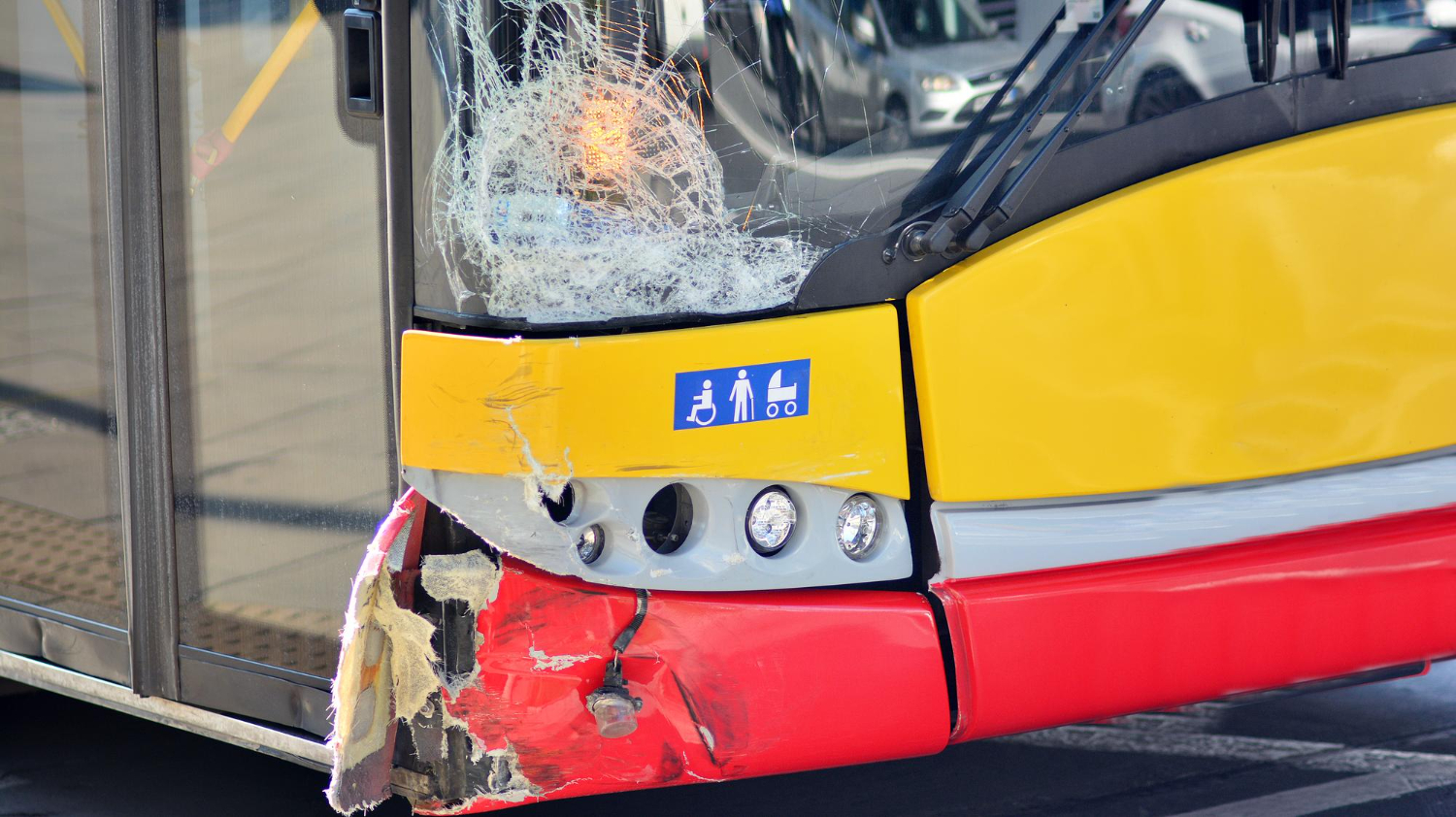
A bus crash is loud, sudden, and confusing. One second you are holding a handrail or staring out the window, and the next you are on the floor, people are shouting, and your heart is racing. In all that chaos, it is easy to think only about getting off the bus and getting home.
What happens in those moments and in the days that follow can affect your injury claim in a big way. Bus accidents are not like simple fender benders. There are usually many injured riders, questions about who owns or runs the bus, and several insurance companies involved. What you see, what you save, and what you share later can help a bus accident lawyer in Charleston, SC build a strong case for you or leave big gaps that the bus company and their insurer might use against you.
At Schiller & Hamilton Law Firm, we see people all the time who did not know which evidence mattered until it was too late. Let us walk through the types of proof riders often overlook and why each piece can be so important.
The First 24 Hours After a Bus Crash
Some of the best evidence starts to disappear almost right away. Charleston streets change fast. Cars are moved, buses get towed, and traffic flow returns to normal. If you are safe enough to do so, small steps in the first day can help protect your claim.
Things at the scene that can change quickly include:
- Skid marks and tire tracks
- Broken glass, plastic, and other debris
- Fluid spills on the roadway
- Weather and lighting conditions
- Road construction signs, cones, and lane shifts
Photos and videos can be powerful. Try to capture:
- The outside of the bus from different angles
- Inside the bus, including broken seats or loose items
- Other vehicles involved, including license plates
- Street signs, intersection names, and traffic lights
- Any visible injuries, like bruises or cuts
If you are able, get names and contact information for:
- Other passengers
- People who saw the crash from the sidewalk or nearby cars
- The bus driver and any company representatives at the scene
Buses are often moved and repaired quickly. Once that happens, it can be much harder to show how serious the impact was or how the crash happened. Early photos and witness contacts help fill in those gaps later.
Bus Company Records Riders Rarely Think About
Some of the most important facts never show up at the crash scene. They live in files and computer systems that belong to the bus company or transit agency. Riders usually have no idea these records exist, but they can make a big difference in a claim.
These company records might include:
- Maintenance logs and repair records
- Inspection reports and safety checks
- Prior complaints about the same bus or driver
- Route schedules and time logs
There are also driver-specific records, such as:
- Training history and certifications
- Hours of service or shift records
- Disciplinary actions or write-ups
- Past accidents or traffic violations
Riders normally cannot get these documents on their own. A bus accident lawyer in Charleston, SC can send formal requests to preserve and collect them before they are lost or destroyed. Video is also a big part of these cases. Important footage might come from:
- Cameras inside the bus
- Cameras on the outside of the bus
- Nearby businesses or parking lots
- Traffic and security cameras along the route
Many systems record over old video after a short time. Quick legal action can help keep that footage from being deleted.
Digital Clues From the Bus and Other Vehicles
Modern buses and cars are rolling computers. They hold detailed data about how the vehicle was running in the moments before and during a crash. This digital information can support what you and other riders remember, or it can show something that no one saw.
Some key electronic sources include:
- Event data recorders or black boxes
- GPS tracking systems
- Telematics and driver monitoring tools
These systems can show things like:
- Speed and sudden braking
- Steering input and lane position
- Whether the driver tried to avoid the collision
- Door openings and alarm events
Other vehicles involved might have their own data and cameras. Nearby drivers, rideshares, or delivery trucks may have:
- Dashcam video of the impact
- GPS tracks showing their location and speed
- Onboard data recorders that store crash info
Collecting and reading this kind of data takes technical knowledge and has to be done carefully. An experienced legal team can work with experts to pull and interpret the information before it is lost or overwritten.
The Evidence Riders Carry Without Realizing It
Many riders focus on what happened on the road, but some of the strongest evidence lives with you. Your health and day-to-day life after the crash tell the story of how the collision changed your world.
Medical records matter at every step, including:
- ER and urgent care visits
- Follow-up appointments with your doctor
- Physical therapy and rehabilitation
- Specialist visits and diagnostic tests
Beyond medical charts, it helps to track:
- A simple pain or symptom journal
- Days you miss from work or have to leave early
- Tasks at home you can no longer handle
- Activities and hobbies you have to give up or limit
Keep and organize anything linked to the crash, such as:
- Damaged clothing, glasses, or phones
- Prescription and over-the-counter receipts
- Mileage or transportation costs for medical visits
- Letters or emails from insurance companies
Sharing this personal evidence with a bus accident lawyer in Charleston, SC can help them show the full impact of the crash, not just the moment of impact.
When to Call a Lawyer and How They Help Protect Your Claim
Many people wait to talk with a lawyer because they hope the bus company or insurer will simply do the right thing. While you focus on getting medical care, important evidence can slip away.
A Charleston injury attorney can step in early to:
- Send letters asking companies to preserve records and video
- Work with crash reconstruction and medical experts
- Interview witnesses while memories are fresh
- Coordinate with law enforcement and collect official reports
Deadlines also matter, especially if a government-related transit agency is involved. Waiting too long to act can limit your options. A lawyer can also handle conversations with insurance adjusters and help you avoid statements or social media posts that might later be used against you.
Turning Overlooked Evidence Into Power for Your Recovery
Riders often assume that someone else is gathering everything needed to prove what happened. In our experience, that is rarely true. Gaps in photos, missing records, or lost video can give the bus company and insurers room to argue that the crash was not that bad or that your injuries came from something else.
Schiller & Hamilton Law Firm helps injured riders and families review what they already have and identify the evidence that may still be out there but at risk of disappearing. Some smart first steps after a bus crash include getting prompt medical care, saving photos and documents, being careful about what you share online, and asking questions about your legal rights before you sign anything.
The right evidence, gathered and protected at the right time, can be the difference between a denied claim and a recovery that truly reflects what the bus crash has cost you and your family.
Protect Your Rights After a Charleston Bus Accident
If you were injured in a bus crash, you do not have to navigate the legal process alone. At Schiller & Hamilton Law Firm, our bus accident lawyer in Charleston, SC can review your situation, explain your options, and pursue the compensation you deserve. We will handle the insurance negotiations and legal details so you can focus on your recovery. To take the next step, reach out and contact us for a consultation.