 803-902-4583


How Phone Evidence Can Change Your Charleston Crash Case
After a serious car crash in the Charleston area, it can be hard to prove that the other driver was staring at a screen instead of the road. Many distracted drivers deny using their phones, and there is usually no obvious physical sign of texting in the debris. This is where phone records can make a real difference in a personal injury claim.
At Schiller & Hamilton, we see how often smartphones play a part in rear-end crashes, T-bone collisions at intersections, and lane departures. Phone records can provide objective, time-stamped data that shows whether a driver was calling, texting, or using an app at the exact moment of impact. A car accident lawyer in Charleston, SC, can bring that information together with medical records and crash reports to support a claim for compensation. In this article, we explain what distracted driving looks like under South Carolina law, what phone records exist, how lawyers obtain and use them, and what you can do after a suspected distracted driving crash.
What Counts as Distracted Driving in a South Carolina Crash
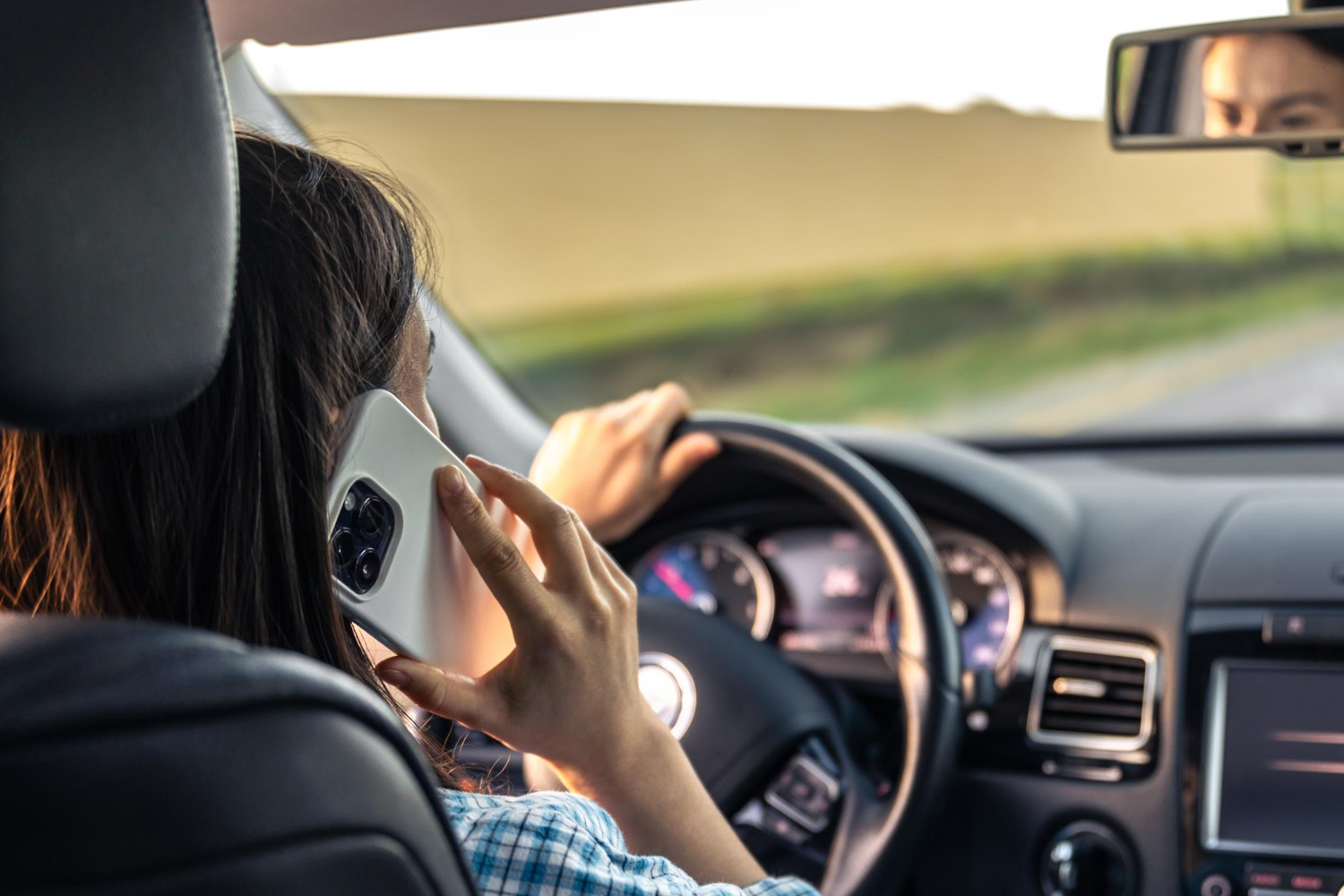
South Carolina law does not limit distracted driving to one type of behavior. Any activity that takes your eyes, hands, or mind away from driving can qualify. Phone use often involves all three types of distraction at once.
Common distractions related to cell phones include:
- Reading or sending text messages
- Scrolling social media feeds or notifications
- Entering addresses or changing settings in a GPS app
- Streaming video or making video calls
Even hands-free use can create problems. A driver who is deeply focused on a long conversation may:
- Miss changing traffic lights
- React late to sudden stops
- Drift out of a lane or fail to notice a pedestrian in a crosswalk
South Carolina specifically prohibits texting while driving. When a driver violates that law, it can be used as evidence that they were not acting as a reasonably careful driver would under the same circumstances. That can support a finding of negligence in a civil claim.
It is important to understand that a traffic ticket is not required to bring a personal injury case. An officer may not see the distracted behavior, or may choose not to issue a citation. Injury victims can still pursue compensation if the overall evidence, including phone data, shows the other driver was distracted.
Types of Phone Records That Can Support Your Claim
When we talk about “phone records,” we are not just talking about screenshots of texts. There are multiple layers of data that can shed light on what a driver was doing.
Key types of phone information include:
- Call logs, showing incoming and outgoing calls and their start and end times
- Text message records, including timestamps for sent and received messages
- Data usage records, showing spikes when apps are active
- App activity information, such as when a social media or messaging app was opened
- Location data, which can confirm the phone was in the area of the crash
There is an important distinction between content and metadata. Content is the actual text of a message or the words spoken on a call. Metadata includes things like:
- The phone numbers involved
- The time a call or text started and ended
- The general type of data being used
Often, metadata alone can be powerful. If records show a text was sent at 3:17 p.m., and the police report lists the collision time as around 3:17 p.m., that timing can strongly suggest distraction. A car accident lawyer in Charleston, SC, can work with digital forensics experts to interpret more complex carrier records, location pings, and app logs.
How a Lawyer Obtains and Uses Phone Records in Your Case
Phone records are not usually handed over just because someone asks. There is a legal process to get them, and timing matters.
A lawyer may:
- Send preservation letters to the at-fault driver and their carrier asking that data be saved
- Request the court’s permission to issue subpoenas to cell phone providers
- Seek records from app companies or cloud backups when appropriate
- Ask the other driver in written discovery to produce certain phone information
Once records are obtained, attorneys compare them with:
- The official crash report and estimated time of impact
- Witness statements about what they saw the driver doing
- Traffic camera or surveillance video, if available
- Vehicle damage patterns and skid marks on the roadway
By lining up timestamps from all of these sources, we can build a clear timeline of events. If phone activity is clustered in the seconds before a rear-end crash, that evidence can shift liability toward the distracted driver. It can also help resolve disputes where both drivers blame each other and give the insurance company a reason to reconsider a low settlement offer.
Privacy, Challenges, and Defenses Involving Phone Evidence
Many people are understandably concerned about privacy when phone records come up in a case. Courts generally limit access to records that are directly relevant to the accident. Typically, lawyers focus on a narrow window of time around the crash, not a person’s entire phone history.
At-fault drivers and insurers sometimes raise defenses such as:
- Claiming the phone was not in use at the time of the crash
- Arguing someone else had the phone or sent the messages
- Pointing to gaps or missing sections in the carrier data
Technical challenges can also arise. Messages may be deleted, encrypted apps might not show content, and some carriers keep detailed records for only a limited time. In some situations, digital forensics experts can:
- Recover data from the device itself
- Identify patterns that suggest active phone use, even if content is missing
- Correlate partial records with other evidence to fill in the timeline
Even when phone evidence is incomplete, it can still be powerful when combined with physical evidence and witness accounts. For example, skid marks that show no attempt to brake, a witness who saw a driver looking down, and records showing recent phone activity can together suggest distraction.
Steps to Take After a Suspected Distracted Driving Crash
What you do in the minutes and days after a crash can have a big impact on your claim, especially when distraction is suspected.
If you are able, consider these steps:
- Get medical care right away so your injuries are documented
- Call law enforcement and report any signs of distraction you noticed
- Take photos or video of the scene, vehicle damage, and traffic conditions
- Ask witnesses for their names and contact information
When you suspect the other driver was on the phone, try to pay attention to details such as:
- A phone in their hand, on their lap, or on the driver’s seat
- Comments like “I just looked down for a second”
- Social media posts or stories that appear to have been made around the time of the collision
Do not confront the other driver about their phone use. That can lead to arguments or unsafe situations. Instead, share what you observed with the responding officer and later with your attorney.
It is also smart to preserve your own phone records and photos. Do not delete texts, call logs, or pictures related to the accident. Contacting a car accident lawyer in Charleston, SC, as early as possible helps ensure that important electronic evidence is requested before it disappears and that preservation letters go out quickly.
Protecting Your Rights After a Distracted Driving Collision
Phone records can be the key to proving a driver was distracted, which can in turn help establish negligence and support a stronger claim for medical expenses, lost wages, and pain and suffering. When paired with traditional evidence like police reports, witness statements, and damage photos, phone data often fills in the missing pieces about why a crash happened.
Victims do not have to handle subpoenas, technical data, or insurance arguments on their own. A Charleston personal injury attorney can manage the process of seeking phone records, working with experts to interpret them, and presenting that information clearly in negotiations or in court. That support allows injured people to focus on healing while their legal team works to protect their rights.
Take The First Step Toward Your Recovery Today
If you were hurt in a crash, our team at Schiller & Hamilton Law Firm is ready to review your situation and explain your options. Speak with a dedicated car accident lawyer in Charleston, SC who can help you pursue compensation for your medical bills, lost income, and pain and suffering. We will handle the legal details so you can stay focused on healing. To schedule your free consultation, simply contact us today.